I've tried a lot of health routines. Gym memberships that lasted six weeks. Morning alarm habits that dissolved by Thursday. Elaborate wellness plans that felt inspiring on Sunday night and exhausting by Monday afternoon. None of them stuck the way I hoped they would.
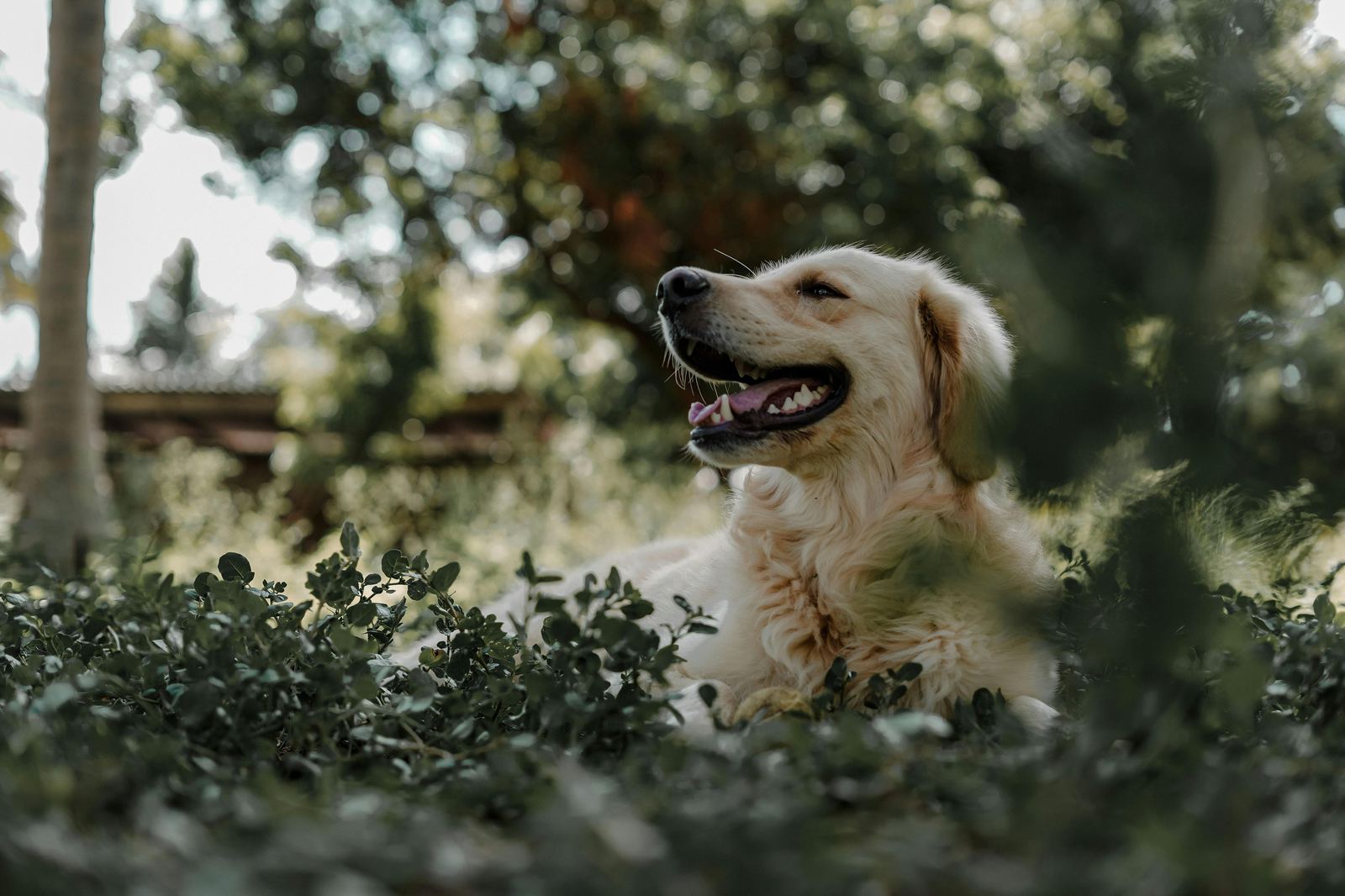
What finally stuck wasn't something I designed at all. It was a Labrador Retriever with a feeding schedule, an unwavering need for walks twice a day, and absolutely zero interest in my excuses.
Owning a dog is one of the most underrated wellness decisions I've ever made — not because I set out to improve my health, but because he made it inevitable.

Morning walks started as his routine. Somewhere along the way, they became mine too.
The Schedule That Chose Me
Labradors are creatures of rhythm. They know when it's feeding time before you've even thought about it. They appear at your side, patient and expectant, at the same hour every morning. And whether you slept badly, whether it's cold outside, whether you'd planned to stay in bed a little longer — none of that information reaches them. The walk is happening.
In the beginning, that felt like pressure. After a few months, I realised it was something I'd never quite managed to give myself: consistency that didn't depend on motivation. My Lab doesn't care whether I feel like going outside. He just needs to go — and I need to take him. That non-negotiable quality is exactly what every health routine I'd previously tried had lacked.
Research bears this out. Dog owners walk an average of 22 more minutes per day than people without dogs, and take over 2,700 additional steps. But the number isn't the point. The point is that it happens — because it has to. And "it has to" is a more reliable engine than "I want to."
A dog's routine doesn't negotiate. And that's exactly the kind of consistency I'd never quite managed to give myself.
What a Daily Walk Actually Does
I used to think of walking as the lazy option — the thing you do when you're not doing real exercise. Living with a Labrador has entirely dismantled that idea. Thirty minutes of walking daily reduces the risk of heart disease, supports bone density, helps regulate blood sugar, and contributes to better sleep. It's one of the most evidence-backed forms of movement there is, and most of us are chronically under-doing it.
There's also the outdoor component, which I didn't fully appreciate until I started tracking how different I felt on days when we walked early versus days when I stayed inside until afternoon. Sunlight in the morning regulates cortisol and sets your circadian rhythm. Fresh air is not a metaphor — it genuinely shifts something. My Lab gets me outside before I've had a chance to talk myself out of it, and my body thanks me for it in ways I feel by evening.
Beyond the walk itself, the physical activity of dog ownership adds up in smaller, quieter ways too — the play sessions, the stairs, the reaching and bending and crouching. None of it is dramatic. All of it is real.
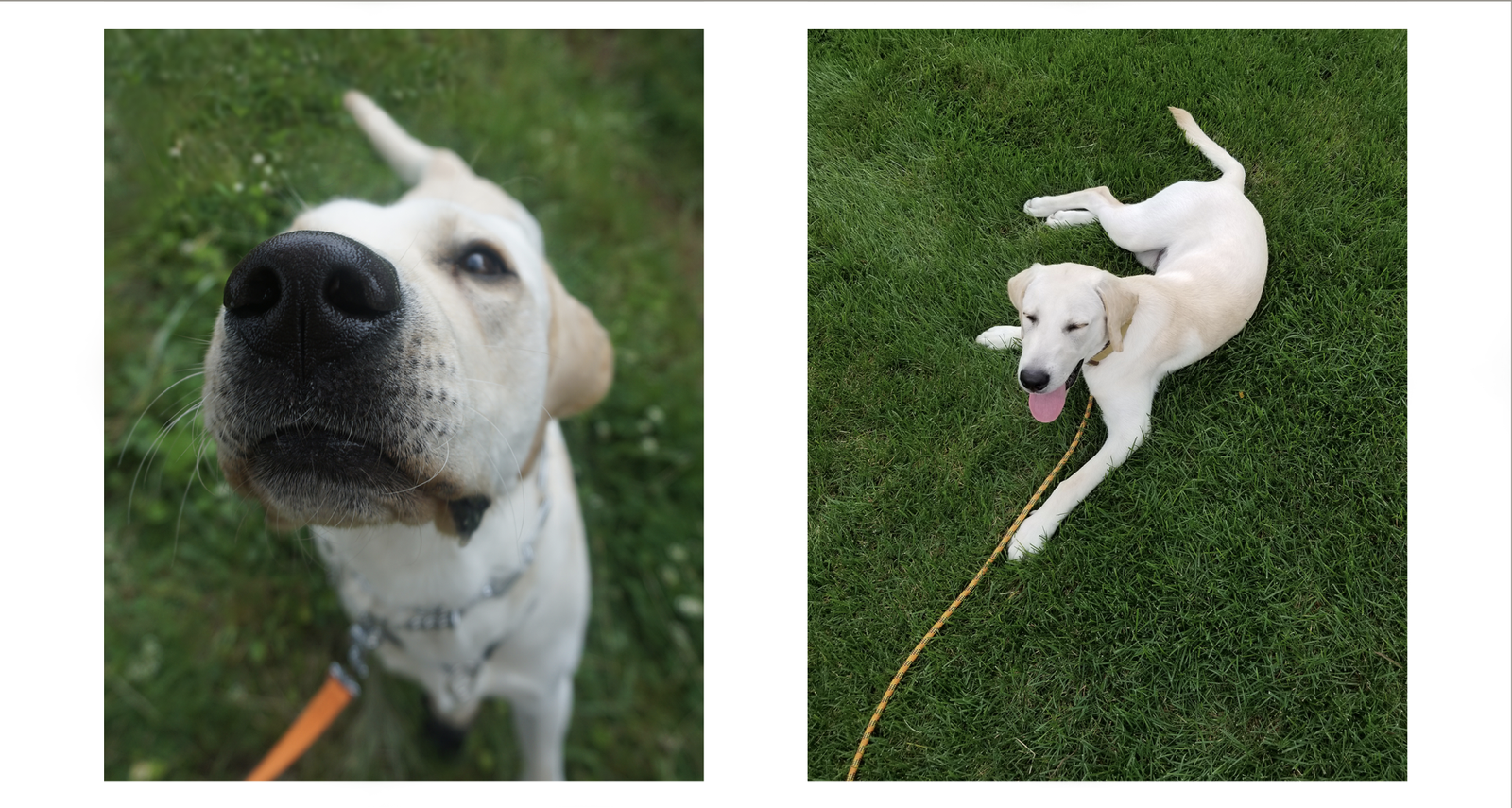
Labradors are built for movement — and they'll generously bring you along for the ride.
How His Needs Became My Habits
There's a concept in habit research called a "habit loop" — a cue, a routine, and a reward that repeat until the behaviour becomes automatic. My Lab built me several of these without my involvement. His morning energy cue triggers the walk routine, which delivers the reward of fresh air, movement, and a dog who is visibly joyful. His dinnertime cue anchors my evenings. His winding-down at night signals that it's time to stop, sit, and be still.
These weren't habits I constructed deliberately. They grew around his needs — and then they became my rhythms too. I sleep better now because my evenings have shape. I move more because my mornings have a non-optional start. My days feel more grounded because they have consistent anchors.
What I've come to understand is that structure isn't something you impose on yourself through willpower alone. Sometimes it's something that arrives in a 30-kilogram, tail-wagging form and installs itself quietly into your life.
A Few Things Worth Knowing
- Breed matters for your lifestyle match. Labradors are high-energy dogs who genuinely need daily movement. If your daily activity level is lower, a breed with calmer energy requirements might be a better fit — and will still give you all the routine benefits without the guilt on low-energy days.
- The routine builds gradually. The first few weeks of dog ownership feel like adjustment, not structure. Give it two to three months before you feel the rhythm settle. The consistency comes — it just takes time to form.
- You don't have to run. Walking is enough. Light-to-moderate daily walking delivers cardiovascular benefits, improves mood, and supports weight management. You don't need to turn walks into workouts for them to matter.
- The health benefits are mutual. Dogs who receive consistent walks, feeding schedules, and play are calmer, healthier, and less prone to behavioural issues. You're not just building your own routine — you're building his too.
The habit you didn't know you needed
The most sustainable health routines aren't always the ones we design. Sometimes they're the ones that arrive when we bring home a dog who has no idea he's quietly changing our lives — and wouldn't care either way, as long as the walk happens on time.
意料之外的那个健康习惯
最稳定、最能长期坚持的健康节奏,往往不是我们刻意设计出来的。它们更像是生活慢慢带给你的。 比如当你开始养一只狗。它不会知道自己正在改变你的生活方式,也不会在意这些改变的意义。 它只会在固定的时间提醒你:该出去走走了。于是你开始散步,开始规律地呼吸空气, 开始在一天中拥有一些不会被跳过的时刻。你以为是你在坚持习惯。但很多时候, 是生活在温柔地重新排列你的节奏。而那些看似微小的改变,反而最容易被长期保留下来。 所以,最有效的改变,从来不是“靠意志力建立的结构”,而是“被生活自然嵌入的节奏”。