There's a particular irony in spending money on a "radiance serum" while your gut is inflamed and your sleep is broken. Because increasingly, dermatologists, nutritionists, and researchers are arriving at the same conclusion: the skin you want — that lit-from-within luminosity, that calm, even, quietly glowing complexion — doesn't start with what you put on your face. It starts with what's happening deep inside your body. Which makes the economics of beauty stranger still, given the research on what a makeup habit is quietly worth on your paycheck.
This is the gut-skin axis. And once you understand it, your whole approach to beauty shifts.
The Gut-Skin Axis — What It Actually Means
Your gut and your skin are both primary barriers against the outside world. They share more than you'd think: both host vast microbial communities, both play central roles in immune function, and both are acutely sensitive to inflammation. When your gut microbiome is healthy and diverse, it keeps systemic inflammation low. But when it falls into dysbiosis — an imbalance in the bacterial ecosystem — that inflammation doesn't stay contained. It travels through the bloodstream and frequently shows up exactly where you don't want it: on your face. Your skin has its own microbial community too, which is where pre-, pro- and postbiotic skincare comes in — the same principle, applied topically.
Research published in the Journal of Drugs in Dermatology found that patients with acne, rosacea, eczema, and psoriasis had measurably different gut microbiome compositions compared to those with clear skin. The link isn't coincidental — it's mechanistic. An imbalanced microbiome triggers the release of inflammatory cytokines that can disrupt the skin barrier, increase sebum production, and heighten skin reactivity.
But the gut-skin connection goes deeper than inflammation. Your gut is also where your body absorbs the micronutrients that build good skin: vitamin C for collagen synthesis, zinc for wound healing, carotenoids (the plant pigments that give skin its warm, golden tint), and the B vitamins that fuel cellular repair. A compromised gut doesn't absorb these effectively — which means your skin never receives the building blocks it needs, regardless of how careful your diet looks.

What Shows Up on Your Face When Your Gut Is Off
The signs are often subtle at first. A dullness that concealer can't fix. A texture that appeared out of nowhere. Breakouts in places that don't follow the usual hormonal pattern. Redness that flares without a clear trigger. These aren't skin problems originating in your pores — they're internal messages arriving at the surface.
Dullness and uneven tone often signal poor nutrient absorption. Without adequate carotenoids and vitamin C, the warm, luminous quality of healthy skin simply doesn't materialize — your cells aren't completing the normal skin cell turnover cycle efficiently.
Persistent breakouts linked to dysbiosis are driven by systemic inflammation raising sebum production. The excess isn't a skin problem — it's an internal problem that expresses itself there.
Chronic redness and sensitivity can indicate intestinal permeability, sometimes called leaky gut, where bacterial endotoxins enter the bloodstream and trigger immune responses that show up as skin inflammation.
A barrier that won't hold — constant dryness, products that suddenly sting — often traces back to a deficiency in the fatty acids your skin barrier depends on to stay intact. Your gut is where those essential fats are absorbed.
The glow I'd been buying in bottles was something my body had always been capable of producing — it just needed me to feed it properly first.
Building Your Inner Beauty Protocol
Think of this as the complement to your skincare shelf — the part that works at the cellular level, from the inside out.
Fiber and Antioxidants First
Berries (especially blueberries and pomegranate), dark leafy greens, and deeply coloured vegetables are both gut-nourishing and directly anti-inflammatory. The polyphenols in blueberries have been shown in multiple studies to reduce oxidative stress — the same mechanism that accelerates visible skin aging. And carotenoids from sweet potatoes, carrots, and red bell peppers are what give the skin of people who eat them regularly that warm, healthy luminosity. No highlighter replicates this.
Fermented Foods as Daily Medicine
Kimchi, kefir, yogurt with live cultures, kombucha, sauerkraut — these aren't wellness trends. They're some of the oldest foods humans have consumed, precisely because a healthy gut was always understood as the foundation of health. Fermented foods actively support the diversity of your microbiome, keep digestion regular, and produce short-chain fatty acids that measurably reduce systemic inflammation. One serving daily, rather than loading up all at once, is the most sustainable approach.
Healthy Fats as Architecture
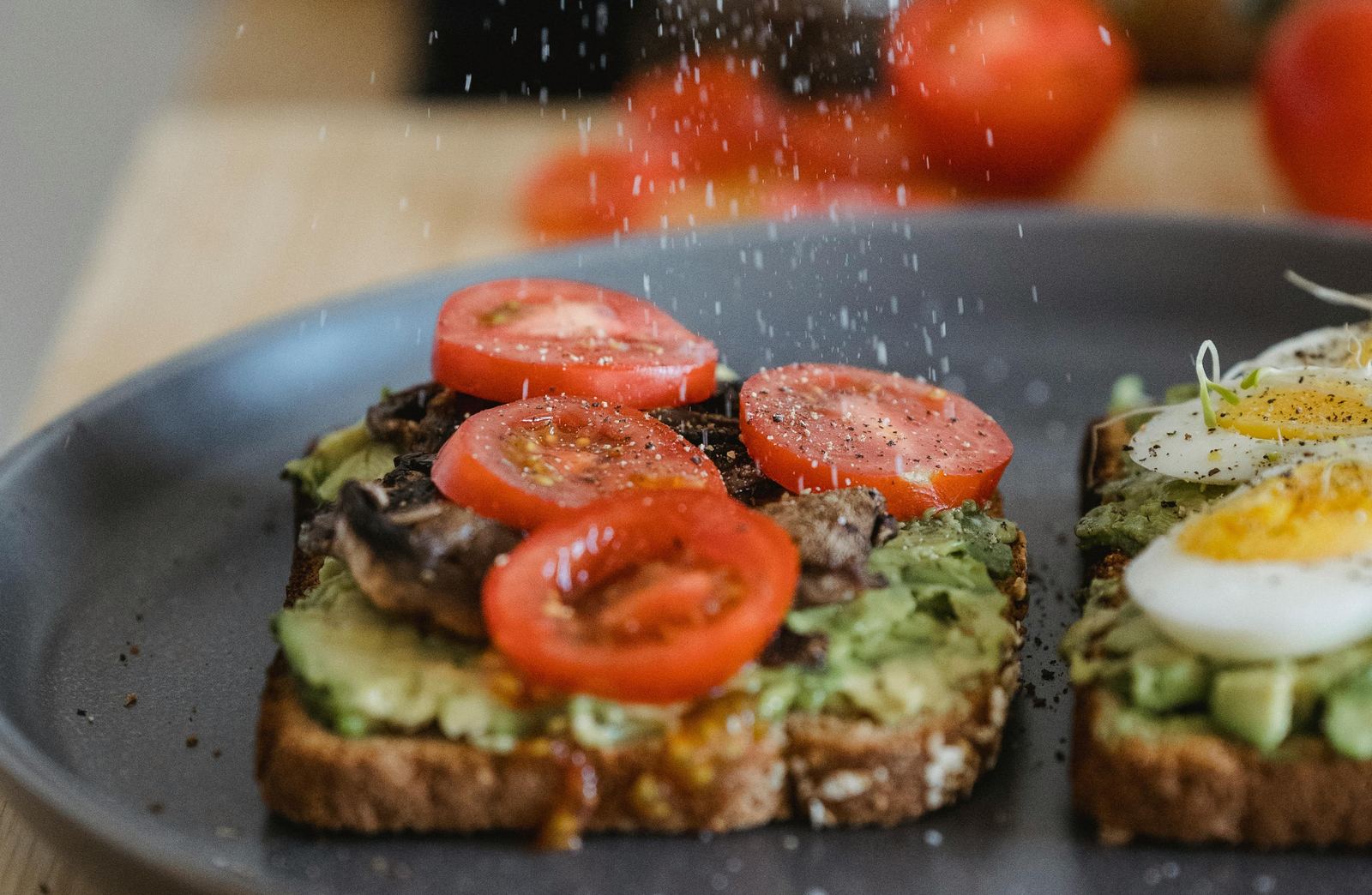
Avocados, olive oil, walnuts, flaxseeds, fatty fish. These foods provide the lipid building blocks your skin barrier needs from the inside. Omega-3 fatty acids reduce skin inflammation and support hormonal balance. They also stabilize blood sugar — which matters because chronically elevated blood sugar triggers glycation, a process that breaks down collagen and accelerates visible aging. This is skincare at the cellular level.
Hydration That Actually Reaches Your Cells
Drinking water matters enormously — but so does how your cells receive it. Electrolytes, particularly magnesium, potassium, and sodium, are what allow water to cross cell membranes effectively. Without adequate electrolytes, you can drink two litres a day and still have skin that looks parched. A pinch of good sea salt and a squeeze of lemon in your morning water, or mineral-rich foods like pumpkin seeds, bananas, and dark greens, makes a quiet but real difference.
The Gray Hair Conversation Nobody Is Having
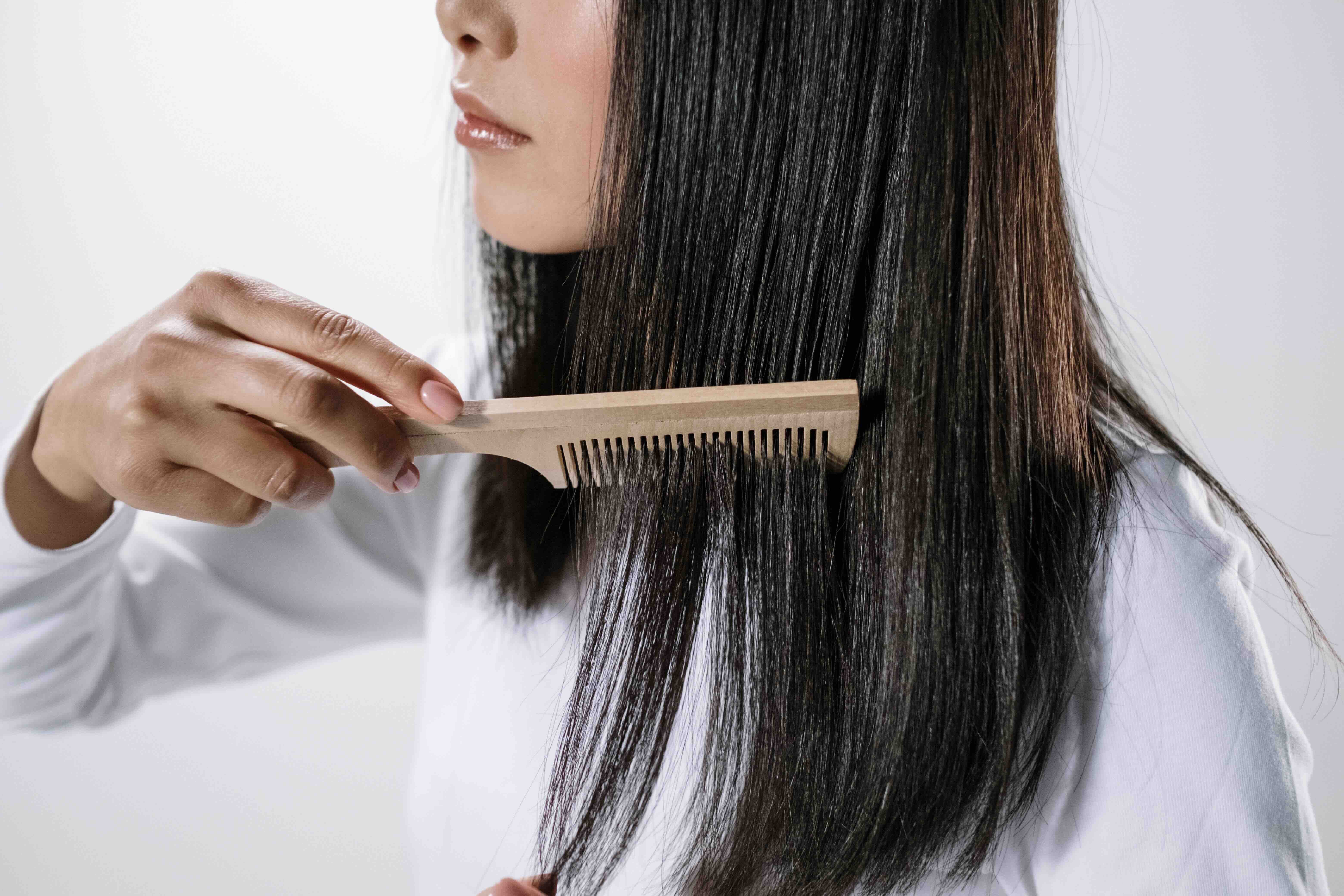
Here's what most beauty conversations miss entirely: gray hair is often a gut-and-nutrition story.
Your hair gets its colour from melanin, produced by specialised cells called melanocytes. The production of melanin depends on an enzyme called tyrosinase — and tyrosinase requires copper to function. When copper levels drop through poor absorption, nutritional deficiency, or chronic stress depleting mineral reserves, melanin production slows. Research published in the Journal of the European Academy of Dermatology and Venereology identified copper deficiency as a measurable factor in premature canities (early graying), alongside deficiencies in zinc and iron.
B12 is particularly fascinating in this context, because it's one of the nutrients most dependent on gut health for absorption. In the stomach, a protein called intrinsic factor binds to B12 so it can be absorbed in the small intestine. When gut health is compromised — by inflammation, chronic stress, or a depleted microbiome — this process is impaired. A 2016 study in the International Journal of Trichology found statistically significant deficiencies in B12 and folic acid among patients with premature graying compared to age-matched controls.
There's also the oxidative stress dimension. Hair follicles naturally accumulate hydrogen peroxide over time, which bleaches the hair from within. An enzyme called catalase breaks this down — but catalase activity declines with age and, critically, with sustained oxidative stress. The antioxidant-rich foods that protect your skin are simultaneously protecting your melanocytes. The gut-skin axis is really the gut-skin-hair axis. The same nutrients your gut absorbs to maintain your skin barrier are the ones building pigment in your follicles.
This isn't a story about "fixing" gray hair. Silver is beautiful. But premature graying — before your mid-thirties — is your body communicating something worth hearing. Redefining gray hair means understanding it as information, not failure. And the most powerful response is to ask: what is my gut not absorbing that my follicles are asking for?
Living for Radiance
Food is foundational, but it doesn't operate in isolation. The lifestyle around your meals matters just as much as what's on your plate.
Stress and the gut lining are in a direct and destructive relationship. Cortisol — your primary stress hormone — increases intestinal permeability and alters the gut microbiome composition. Chronic stress creates a cycle: a compromised gut raises systemic inflammation, which shows up on your skin, which creates more anxiety about your skin, which raises cortisol further. Breaking this loop — through breathwork, movement, rest, or therapy — is as important as any supplement.
Sleep is your skin's repair window. Between the hours of 10pm and 2am, your body releases its highest concentrations of human growth hormone — the primary driver of overnight cellular repair. This is when your skin rebuilds, your gut lining regenerates, and your adrenal glands recover. Consistently delaying this window doesn't just cause tiredness. It shows on your face within days, and accumulates over weeks.
Daily movement improves everything. Your skin is dependent on circulation to receive the nutrients your gut absorbs. A 30-minute walk measurably improves blood flow to skin cells, accelerates cellular turnover, and reduces systemic inflammatory markers. The glow that appears after exercise isn't just a flush — it's increased nutrient delivery to every cell in your body.
The most radical thing you can do for your skin may be nothing you can buy.
The inside-out approach isn't a trend. It's a return to something ancient and accurate — the understanding that what we put into our bodies determines what appears on the outside. Your gut is not a separate system from your skin, your hair, your energy, or your mood. It's the foundation everything else is built on. The glow you've been chasing was always available. It just required a different kind of commitment: to your plate, your sleep, your stress, your microbiome. To treating your digestion as your most powerful skincare product.