It started with a Sunday afternoon that felt heavier than it should have. I was home, I had nowhere to be, and I still couldn't quite relax. Something kept pulling at me — a low, persistent hum of unease that I couldn't name. I looked around the room and finally saw it clearly: the space I was living in was not on my side. It was cluttered and bright in the wrong ways and full of things that didn't mean anything to me anymore. It was taking from me quietly, every single day.
That afternoon I moved exactly three things. A lamp. A stack of papers that had been sitting on the kitchen counter for two weeks. And a chair that was facing the wrong way. I sat down in that chair, in the new arrangement, and felt something shift. I know how small that sounds. But that's how it started.
Your home is either restoring you or slowly draining you. Most of us have never stopped to ask which one it's doing.
Clutter Is a Feeling, Not Just a Mess
There is a reason you feel more anxious in a disorganized room than a tidy one — and it's not about perfectionism. Visual clutter creates what researchers call cognitive load: your brain is constantly registering every object in your environment, even when you're not consciously looking at it. The pile of unopened mail. The corner that became a landing zone for things without homes. The drawer you've been meaning to sort for months. All of it is quietly costing you mental energy you could be spending elsewhere.
I didn't do a dramatic overhaul. I didn't empty every room and start from scratch. I started with one surface — the kitchen counter — and committed to keeping it clear for a week. Just that one surface. The effect on how I felt in that room was immediate and disproportionate to how little effort it took.
The rule I now live by: everything has a home, or it doesn't stay. Not for reasons of neatness, but because an object without a place becomes a small, nagging question your mind keeps asking without ever answering.
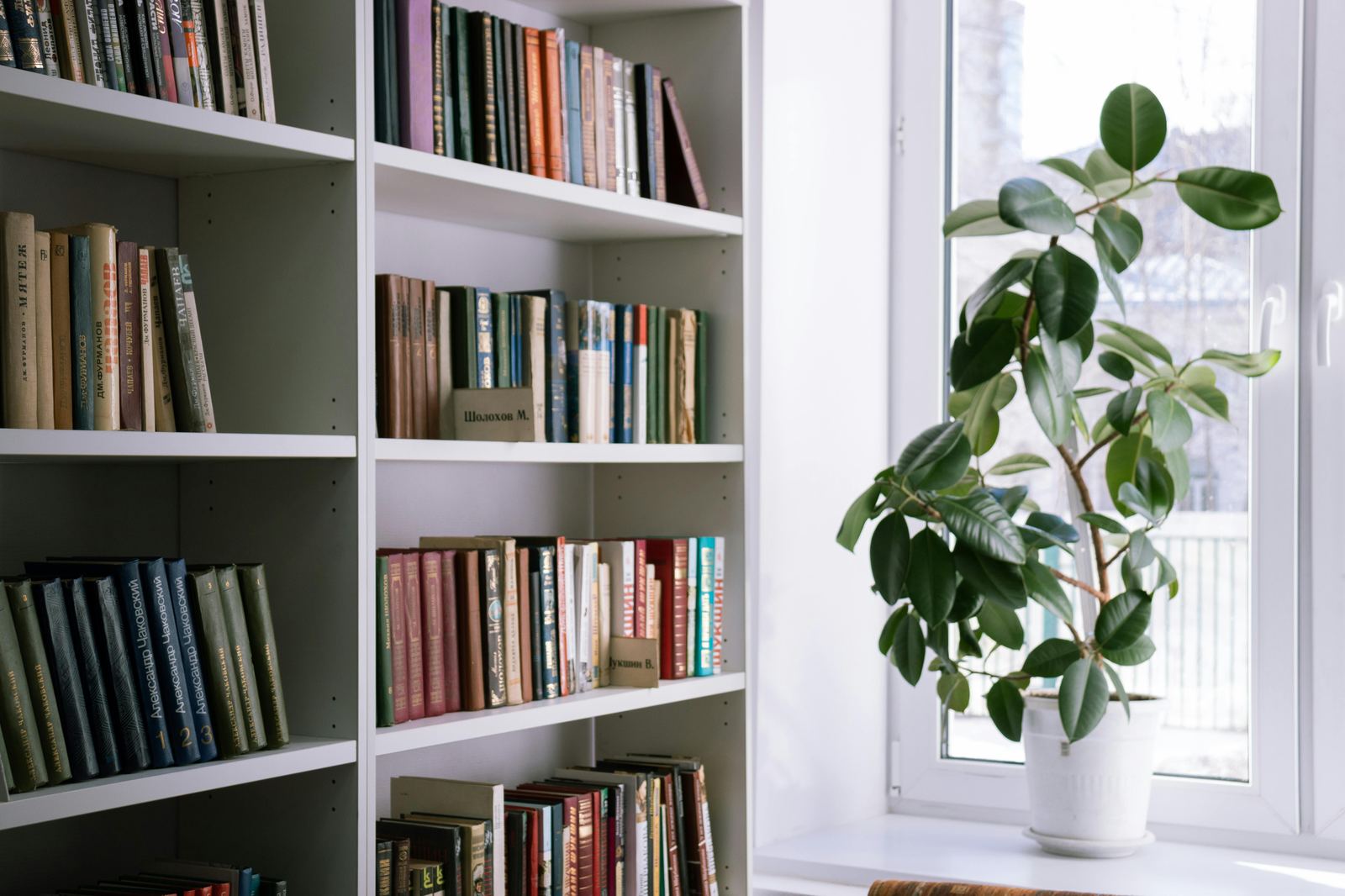
A calm room isn't empty — it's intentional. Everything in it has been chosen.
The Light You're Actually Living In
Before I thought about color or furniture or any of the things I thought "redesigning" meant, I looked at my lighting. And I was horrified. I had overhead lights that cast a flat, clinical brightness across every room — the kind of light that belongs in a hospital hallway, not a home. No wonder I never fully unwound there.
Natural light became the priority. I pulled back curtains I'd been keeping half-closed out of habit. I moved my desk to face the window instead of the wall. Then I replaced every overhead bulb with something warmer — softer colour temperature, lower wattage, lamps instead of ceiling fixtures wherever I could manage it. The difference by evening was remarkable. The room felt like it was breathing.
There is real science here. Harsh, blue-toned lighting keeps your cortisol elevated — your body reads it as daylight and stays alert. Warm light in the evening signals wind-down. Your home should shift with you through the day, not stay at the same pitch of bright from morning until you finally turn everything off and try to sleep.
Nature Doesn't Need to Be Dramatic to Work
I am not a plant person. I've killed more succulents than I'd like to admit. But after reading enough about biophilic design — the idea that our nervous systems respond measurably well to natural elements — I decided to try again, more thoughtfully this time.
I started with two plants I couldn't kill: a pothos and a peace lily. Then I replaced a synthetic rug with one made from natural jute. I brought in a small wooden tray for the coffee table. None of these were expensive or dramatic choices. But collectively, they changed the texture of the room in a way I felt more than I could explain. Something about the presence of living, natural things — the way leaves move slightly in a breeze, the warmth of wood grain under your hand — tells your nervous system that you are somewhere safe. Somewhere real.
If you're starting from nothing, one plant and one natural textile is enough. You're not decorating. You're recalibrating.
Color Is Quieter Than You Think
I used to think choosing paint colors was an aesthetic decision. It is — but it's also a physiological one. Color affects the body in ways that happen below conscious awareness. Certain saturated, high-contrast colors keep you stimulated. Soft ones — warm whites, sage greens, dusty blues, the whole range of beige and sand — do the opposite. They give the eye somewhere to rest.
I didn't repaint. But I did audit the colors already in my space — the art on the walls, the cushion covers, even the mugs on the open shelf — and noticed how many of them were competing for attention rather than contributing to calm. I swapped some things out. I let some walls stay bare. I added a few things in the tones I was drawn to: a deep sage blanket, a creamy linen throw, a single piece of art in muted, earthy tones. The room became easier to be in. That's the only metric that matters.
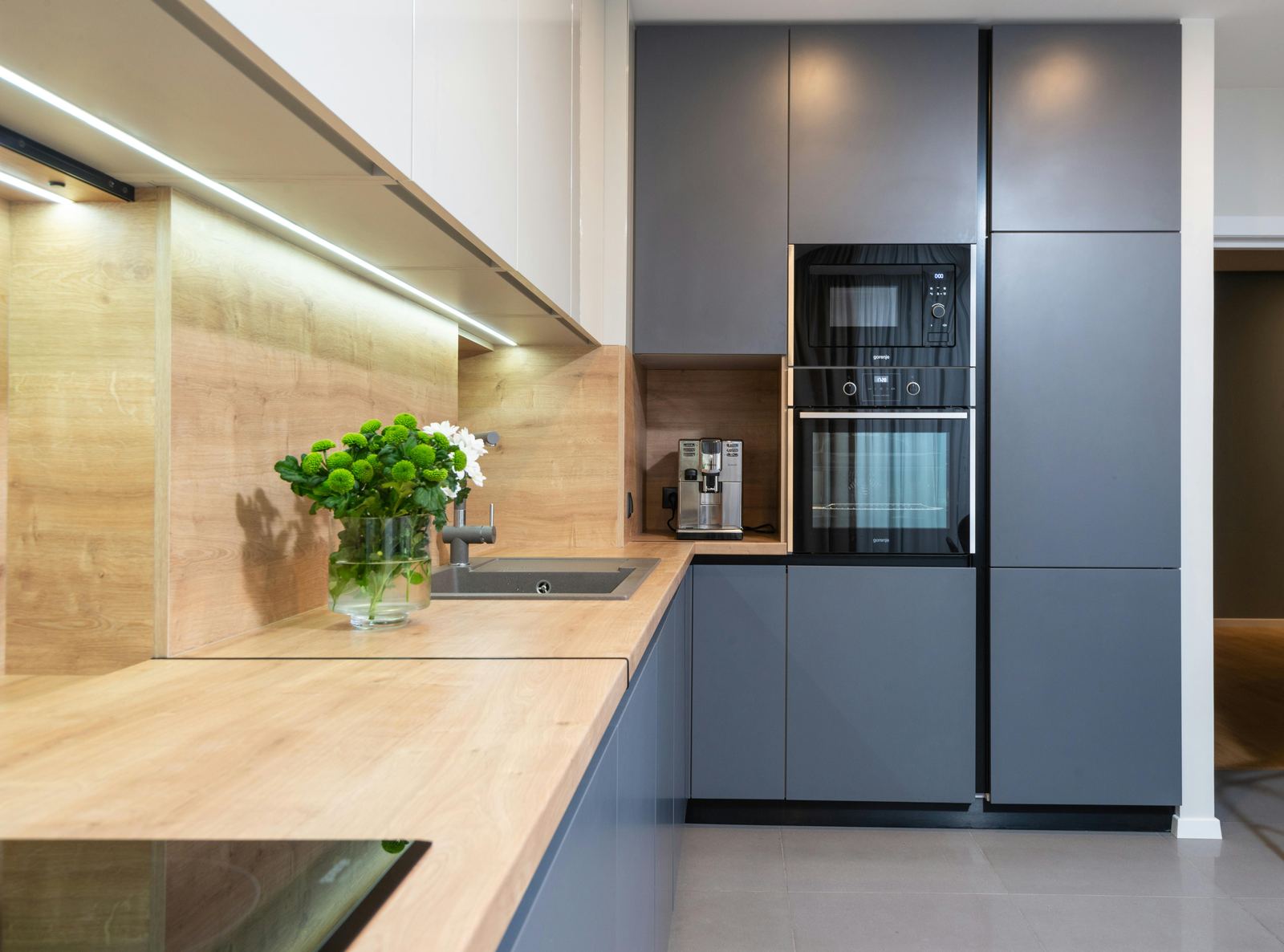
Soft, considered spaces don't happen by accident. They happen by intention.
One Corner That Knows What It's For
This might be the single change that made the most difference. I carved out one corner of my living room — about two square meters — and made it entirely purposeful. A chair I love. A small side table. Good light. A blanket. A few books. Nothing else lives there. No chargers, no work, no screens. That corner knows what it's for, and because of that, so does my body when I sit in it.
The psychological effect of designated spaces is well-documented: when a specific area of your home is consistently used for rest, your nervous system begins to associate it with downregulation. It becomes a cue. You sit there and something in you releases, almost automatically, because it's learned to. You are training your own nervous system through the language of space.
You don't need a whole room. You need one corner with a clear intention. Start there.
The Small Shifts That Did the Most
Here are the changes that cost almost nothing and gave back more than I expected:
Softness in your space is not a luxury. It's maintenance.
You spend more time in your home than anywhere else. The quality of that space accumulates — quietly, consistently — into the quality of how you feel. You don't have to do it all at once. Move one thing. Clear one surface. Let one window breathe. Your nervous system will notice before you do.
空间里的温柔,从来不是奢侈品。它更像是一种日常维护
因为家,不只是你居住的地方,也是你情绪停靠的地方。那些堆积的杂物、凌乱的角落、长期被忽略的空间, 看似无关紧要,却会在不知不觉中消耗你的能量。而一个明亮、整洁、让人舒服的环境, 也会以同样安静的方式滋养着你。所以不必想着一次改变所有事情。整理一个台面。收拾一个角落。 让一扇窗透进阳光。给自己留一点呼吸的空间。你或许不会立刻察觉,但你的身体会先知道。 你的神经会先放松下来。而那些细微的改变,最终都会慢慢变成生活里的平静与安稳。