If green flags are the quiet signs of a genuinely good person, red flags are their shadow — and the subtlest ones are the most dangerous, precisely because they’re so easy to explain away. We give the benefit of the doubt. We focus on potential. We tell ourselves we’re probably overreacting. Meanwhile, some older, wiser part of us already knows. Let’s give that part a voice.
First — Why We Ignore Them
We don’t miss quiet red flags because we’re foolish. We miss them because we’re hopeful. Chemistry blurs our vision, we don’t want to seem dramatic, and it’s genuinely uncomfortable to admit that someone we like keeps showing us something we don’t. So the mind negotiates. It reframes, minimizes, waits. But the body keeps a quieter, more honest record — the tightened stomach, the rehearsed sentence, the small brace before you speak. That record is usually right.
The Quiet Red Flags
None of these makes someone a villain, and one on its own is rarely a verdict. But when they’re a pattern, they’re worth trusting.
- They’re warm to you, but cold to the waiter. How someone treats people who can do nothing for them — servers, assistants, strangers — is who they actually are. The charm pointed at you is not the whole story.
- Nothing is ever their fault. Every ex was “crazy,” every boss unfair, every falling-out someone else’s doing. A person with zero accountability isn’t unlucky — and one day, you’ll be the next name on that list.
- You feel slightly smaller around them. You over-explain. You apologize more than usual. You edit yourself before you speak. You may not be able to name why — but your nervous system is already keeping score.
- They’re one person in public, another in private. Dazzling to the room, subtly different behind closed doors. When there’s a gap between the public performance and the private reality, the private version is the true one.
- The little lies that “don’t matter.” The small exaggerations, the convenient omissions, the “why would I lie about something so minor?” Small dishonesty isn’t the exception to their character. It’s a preview of it.
- They can’t sit with your feelings. Your sadness gets fixed, dismissed, or somehow turned into their crisis to be managed. Someone who can only handle you when you’re easy is telling you something important.
- “No” is treated as a negotiation. They push past small boundaries and, when you object, it was “just a joke,” you’re “too sensitive.” How a person handles your smallest no predicts exactly how they’ll handle your biggest one.
- Hot, then cold — on a loop. Intense closeness, then sudden distance, so you’re always slightly off balance, always managing. Inconsistency isn’t mystery or passion. It’s instability, and it keeps you anxious by design.
A red flag is rarely a single dramatic moment. It’s a small, quiet thing that keeps happening — and the feeling you keep talking yourself out of.

The Difference Between a Red Flag and a Bad Day
Here’s the fairness this deserves: everyone has an off moment. Everyone is sometimes short, defensive, or thoughtless. A single instance is not a red flag — a pattern is. Look for consistency, not one bad Tuesday.
And then there’s the truest test of all: what happens when you name it. Raise it gently and watch. If they get curious — “tell me more, I don’t want to make you feel that way” — that’s a green flag hiding inside a hard conversation. If they get defensive, minimize it, or turn it back on you, the red flag just got redder. The response is the real information.
Relationship researchers at the Gottman Institute found that contempt — eye-rolling, mockery, a subtle sense of being looked down on — is one of the single strongest predictors that a relationship won’t last. It often arrives quietly, disguised as “just teasing.” If you frequently feel small, dismissed, or subtly disrespected around someone, believe it. That’s not sensitivity. That’s a warning.
Trust the Quiet Signal
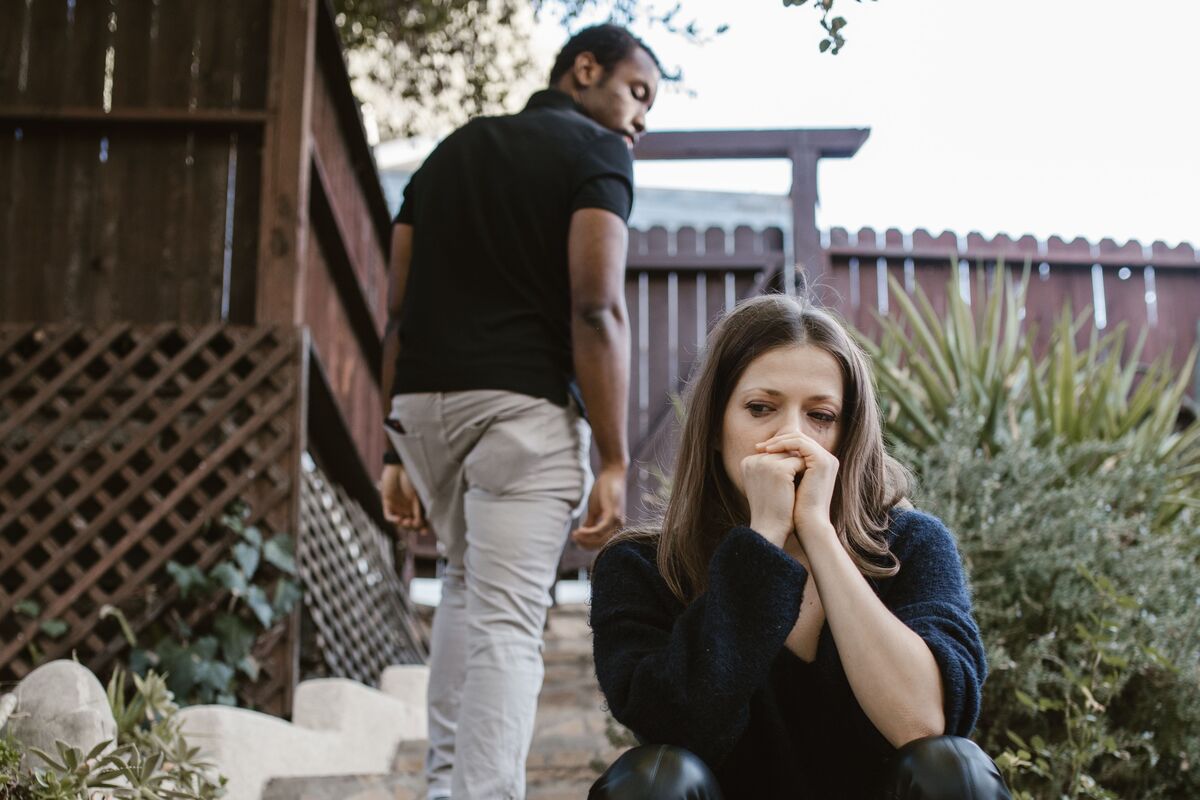
Your gut is not paranoia. It’s pattern-recognition running faster than your conscious mind — picking up the inconsistency, the disrespect, the small wrongness, before you can explain it in words. If you keep feeling tense, or small, or like you’re constantly managing someone, that feeling is data.
You don’t need a courtroom case to step back from someone. You don’t owe anyone a perfectly argued reason to protect your own peace. A persistent, quiet unease is reason enough. The goal isn’t to hunt for flaws in everyone you meet — it’s to stop overriding the truth your own body is trying to tell you. (If you want to go deeper on what safe love actually feels like, start with emotional safety.)
The quietest red flag of all is the feeling you keep explaining away.
You are allowed to leave over a pattern, not just a catastrophe. You are allowed to trust the tightening in your chest before you have the words for it. Loving well doesn’t mean ignoring what you see — it means being brave enough to believe yourself. Pay attention to the quiet things. They were always trying to protect you.