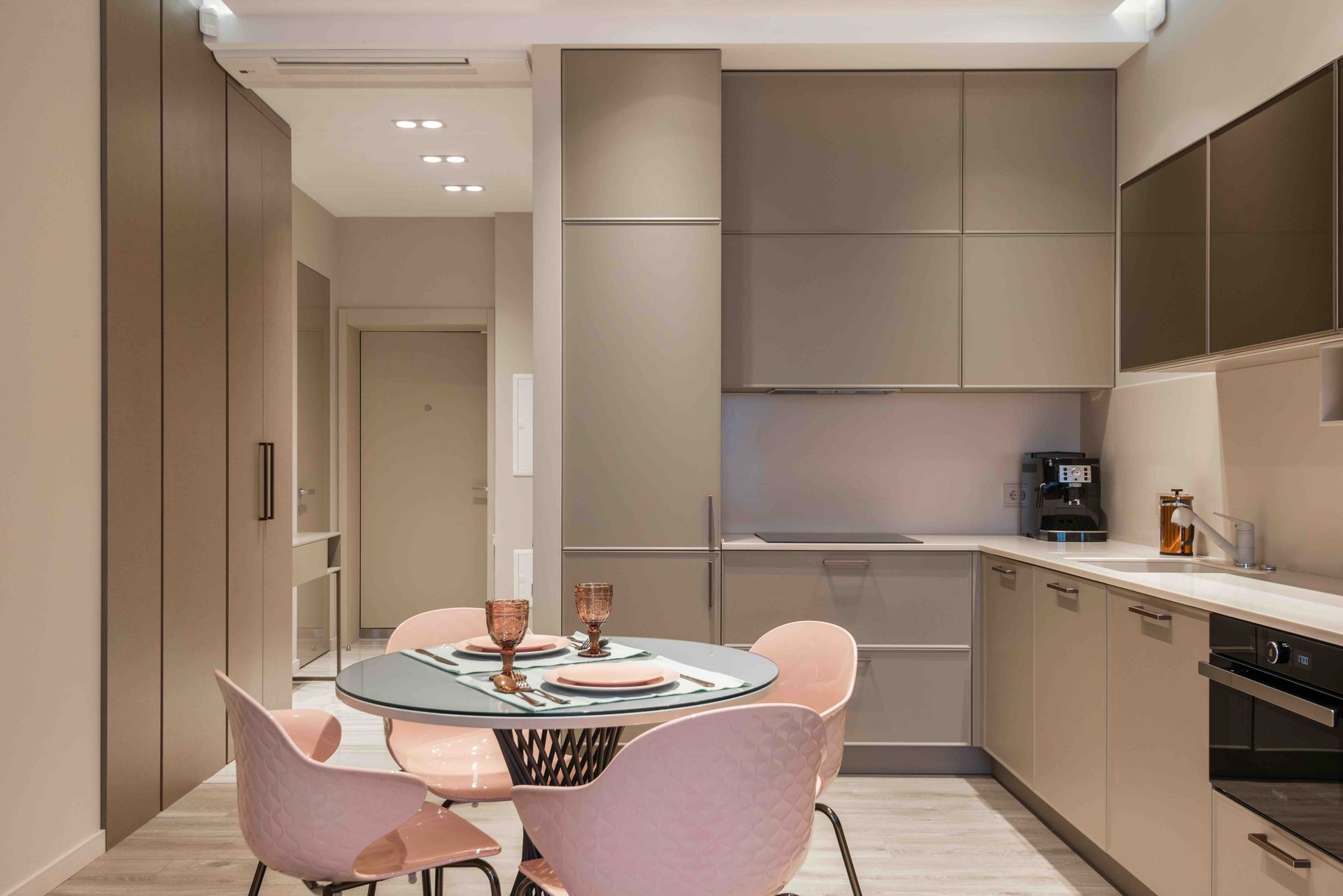
I used to think of a room as something you decorated with your eyes — the colour on the walls, the shape of the furniture, the way the light fell. It took me years to understand that the most powerful design element in any home is the one you can’t see at all. Scent doesn’t decorate a space. It directs it. It tells you, before a single conscious thought, whether you are somewhere to work, to rest, or to breathe out.
Why Scent Reaches You First
Here is the piece of science that changed how I live in my home. Of all your senses, smell is the only one wired directly into the limbic system — the ancient, emotional core of the brain that governs mood and memory. Sight, sound, and touch all take a detour through the thalamus, the brain’s rational switchboard, before you consciously process them. Scent skips the queue entirely. It arrives at the seat of feeling before your thinking mind has even been notified.
That single fact explains everything a fragrance can do: why a note of something can drop you, instantly, into a memory from childhood; why the right scent can move you from stressed to serene, or sluggish to sharp, in the time it takes to inhale. You are not decorating when you scent a room. You are speaking directly to the part of the brain that decides how the room feels.
Scent is invisible architecture. It defines the rooms of a home the way walls do — only you feel it instead of seeing it.
Once you understand that, you can be deliberate. You can match calming notes to the bedroom and bright ones to the desk, make a cramped bathroom feel open and airy, and give each corner of your home a mood that supports what you actually do there. Below is exactly how I choose — by feeling first, then by the notes that create it, then by the pieces I’d actually put in your cart.
To Unwind — Relaxation & Stress Relief
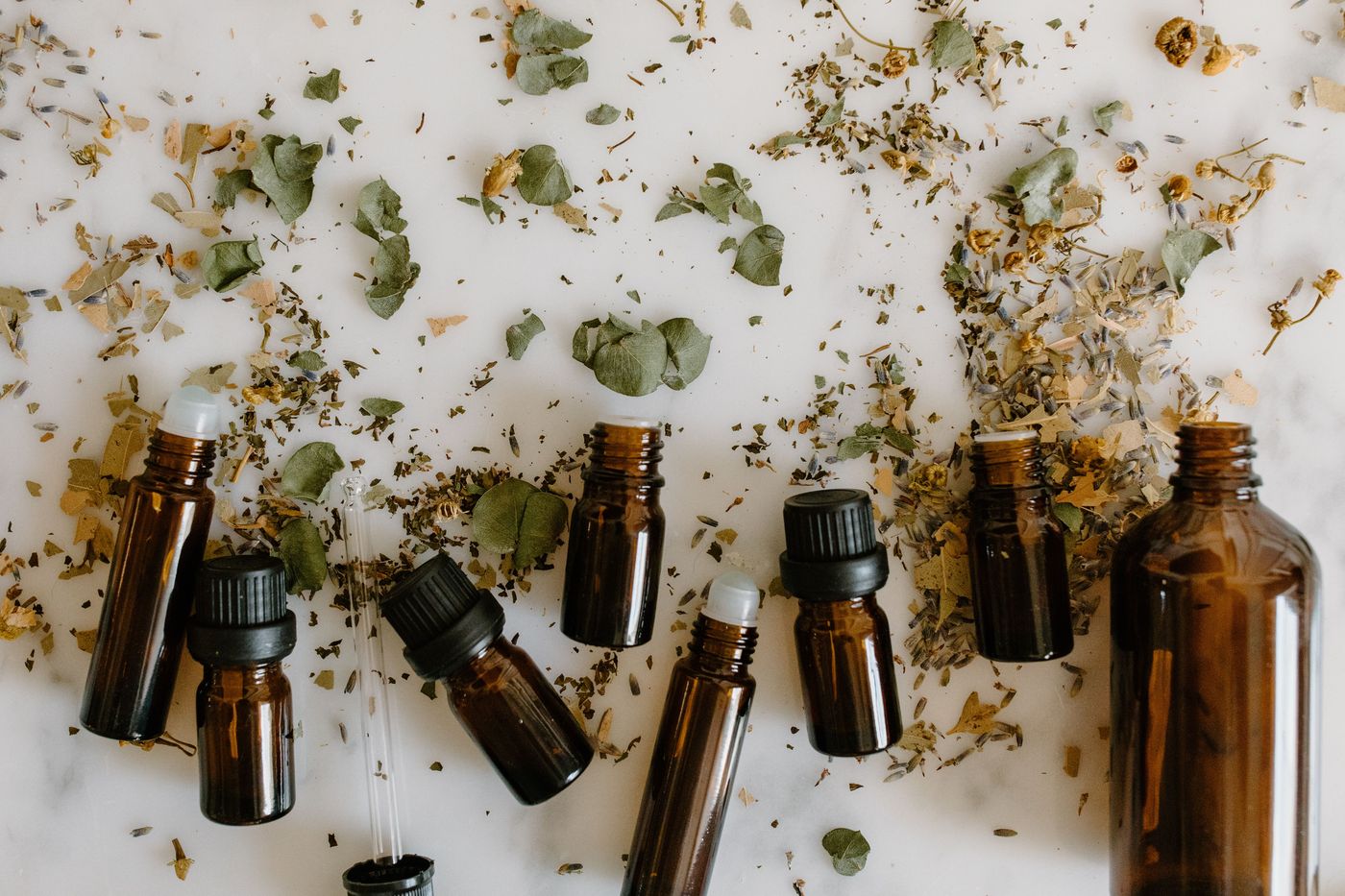
For the rooms where the day is supposed to end — the living room, the bedroom — you want notes that lower the heart rate and signal safety: soft herbals, warm woods, gentle sweetness. Lavender is the most researched of all, beloved for easing anxiety and coaxing sleep. Sandalwood and cedarwood ground a room, earthy and cocooning. Chamomile and vanilla add a sweetness that reads as comfort. Together they turn a space into somewhere you can finally put yourself down.
To Sharpen — Energy & Focus
When you need to think — the home office, the kitchen, the corner where you move your body — reach for the bright, sharp, and cool. Citrus (lemon, grapefruit, bergamot) lifts mood and mental energy almost on contact. Peppermint and eucalyptus clear the head like fresh air through an open window. And rosemary carries a centuries-old association with memory and concentration. These are the scents that make a workday feel possible — and a slow morning feel like it’s started.
To Refresh — Cleanliness & Space
For the rooms that should feel pristine and open — bathrooms, the laundry, any small or windowless space — choose crisp, aquatic, and green. Linen and cotton read as fresh laundry, nostalgic and clean. Sea salt and ozone are breezy and expansive; they genuinely make a small room feel larger and airier. And white tea and sage bring that quiet, high-end spa softness. These scents don’t mask a space — they open it.
The Piece That Ties It Together
You can have the most beautiful oils in the world, but the tool you diffuse them with is what turns a nice smell into a designed atmosphere. This is the upgrade I’d make first.
A quick, honest note: the links above are affiliate links. As an Amazon Associate I earn from qualifying purchases — at no extra cost to you. I only point you toward things I’d happily place in my own home.
How to Choose Yours
If you’re not sure where to begin, don’t overthink it — start with the room that would change your day the most, and answer three quiet questions:
- Which room first? The one where you rest, the one where you work, or the one you want to feel cleanest?
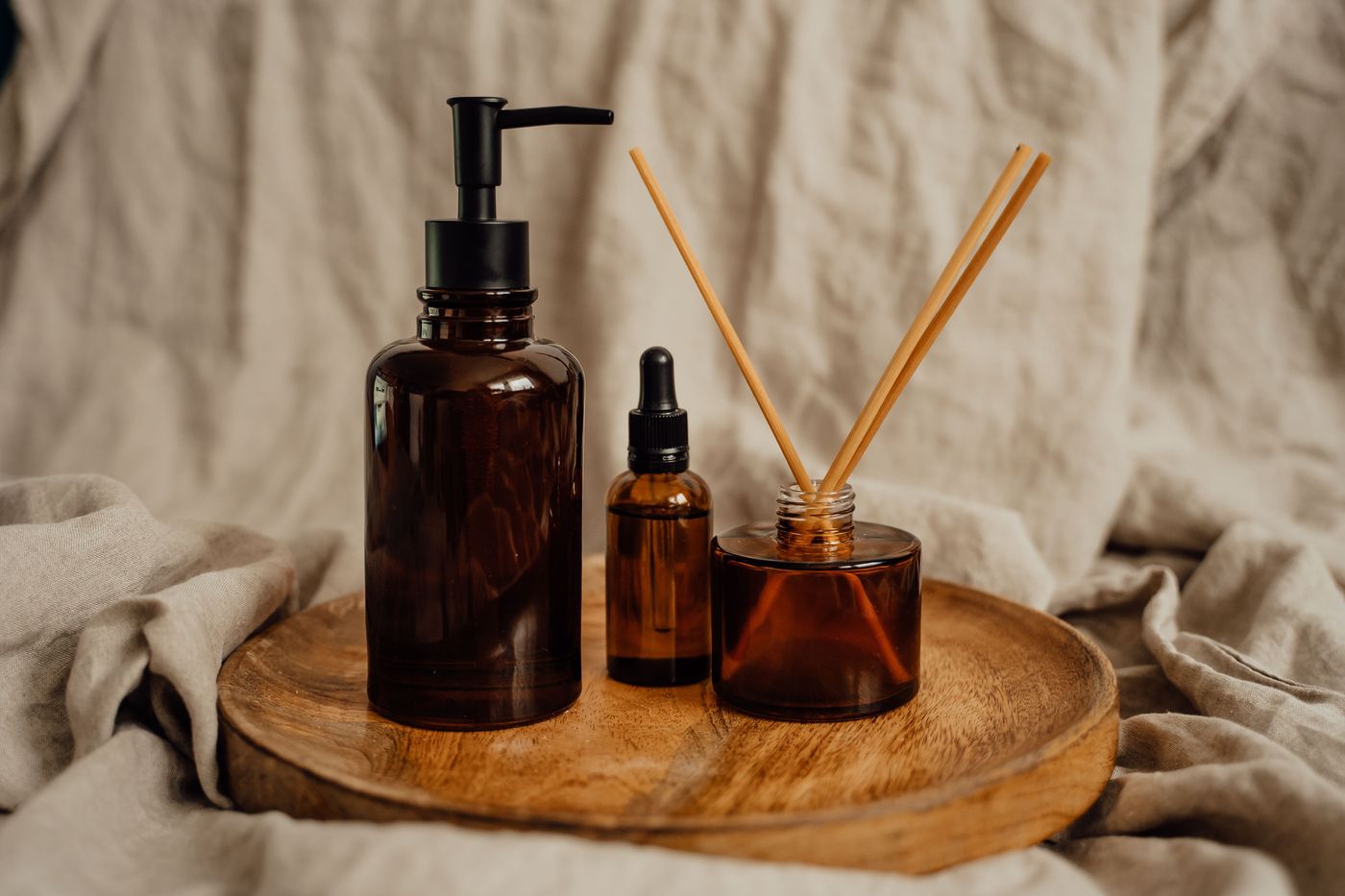
- How do you want to deliver it? A candle for ritual, a reed diffuser for effortless constancy, an electric or waterless diffuser for full control, or a room spray for a quick reset.
- Anything you dislike? Knowing your no’s — overly sweet vanilla, heavy florals, strong musk — narrows it faster than knowing your yes’s.
Answer those three, and the right scent almost chooses itself.
Design the air, and you design the feeling.
We spend so much on what a home looks like and so little on what it feels like to walk into. Scent is the shortcut — the fastest, most affordable way to change the mood of a room, and the one your brain notices first. Choose one space, choose one note, and let the atmosphere do the rest. Your home has been speaking to you in fragrance all along. This is how you finally decide what it says.