There is a particular kind of exhaustion that comes from years of performing strength. You know the one — the tight jaw, the "I'm fine," the quiet pride in needing nothing from anyone. Society handed us this definition of strength early, and most of us took it without question.
But something happens when you finally sit down. When the performance pauses and you're alone with the truest version of yourself. That version, I've found, is rarely made of iron. She's made of something softer — and far more enduring.
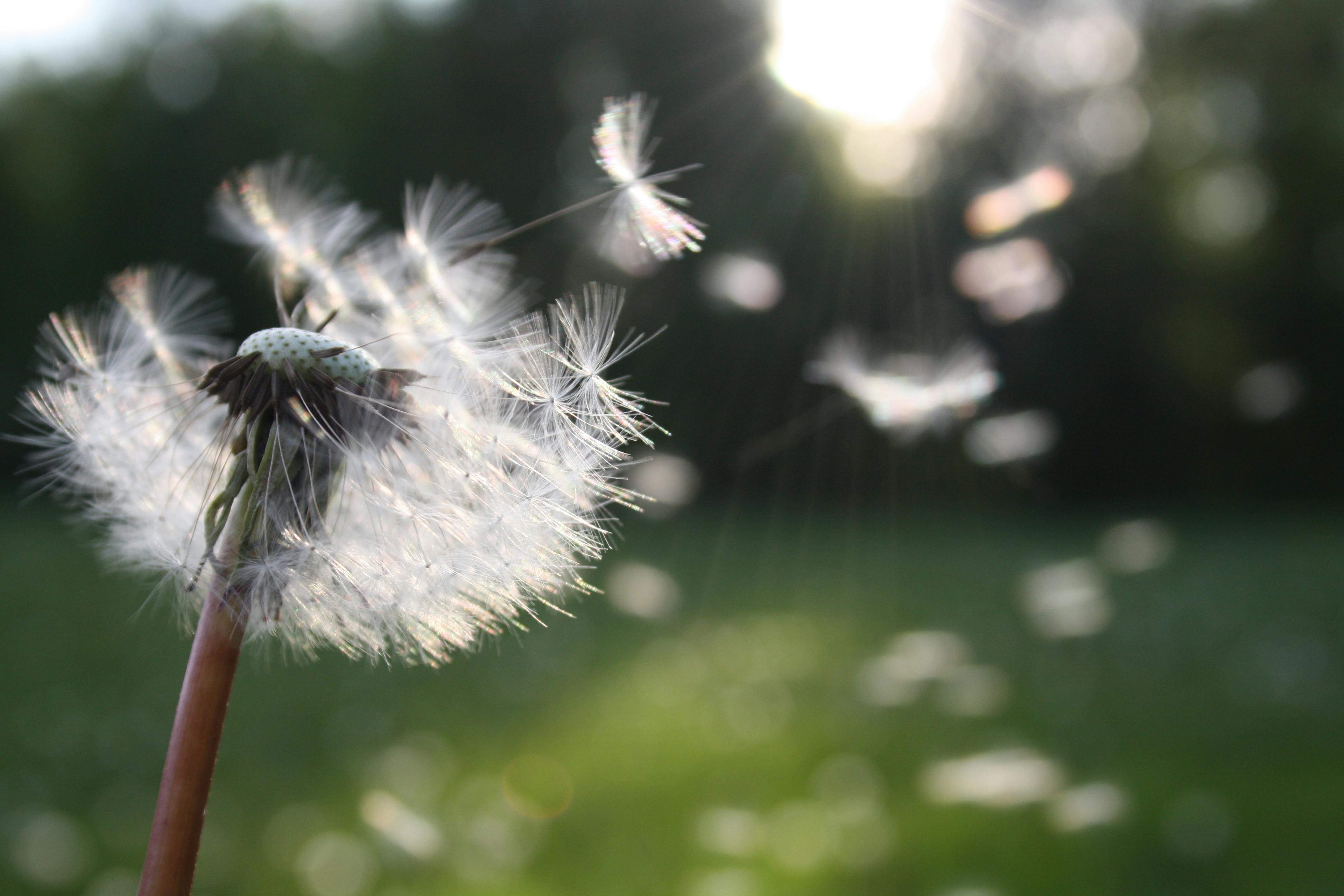
Softness isn't the absence of strength — it's what strength looks like when it has nothing left to prove.
The Lie We Were Sold About Strength
The cultural script around strength — especially for women — is almost entirely rooted in resistance. Resist your emotions. Resist your body's needs. Resist the impulse to ask for help. We were told that the woman who holds everything together is the admirable one. That needing rest is weakness, and that expressing feeling is something to apologize for.
What this script never accounted for is the cost. The chronic stress. The disconnection from intuition. The way you can wake up one day and realize you've been performing a version of yourself so convincingly that you've forgotten who you were before you learned to perform.
Softness isn't the absence of strength. It's what strength looks like when it has nothing left to prove.
What Softness Actually Looks Like
Softness is not passivity. It is not shrinking or becoming easy to dismiss. Softness is the courage to feel things fully without catastrophizing them. It's allowing yourself to be known — by others, but most importantly, by yourself.
I've come to understand softness as a practice of radical honesty. The honest admission that you're tired. The honest request for what you need. The honest acknowledgment that some things hurt — and that hurting is not a character flaw. This kind of honesty takes more strength than any mask ever could.
5 Ways to Practice Softness as Strength
These aren't grand gestures. They're small, daily choices that — over time — add up to a completely different relationship with yourself.
- Let yourself be moved. When something brings tears to your eyes — a piece of music, a sentence in a book, your own reflection in a quiet moment — don't rush past it. Stay with it. That feeling is data about who you are.
- Ask for help before you need it desperately. Asking early, while you still have agency, is a form of self-respect. Waiting until you're depleted teaches your nervous system that support only comes after suffering.
- Name your needs without negotiation. "I need more rest" is a complete sentence. You don't have to justify it with a list of reasons why you've earned it.
- Allow imperfection to be visible. The moment you stop hiding your process — your drafts, your stumbling, your learning — you give other women permission to do the same. There is profound strength in that.
- Rest as if it matters. Not as a reward or a collapse. As a practice. As something you schedule, protect, and return to — like any other non-negotiable in your life.
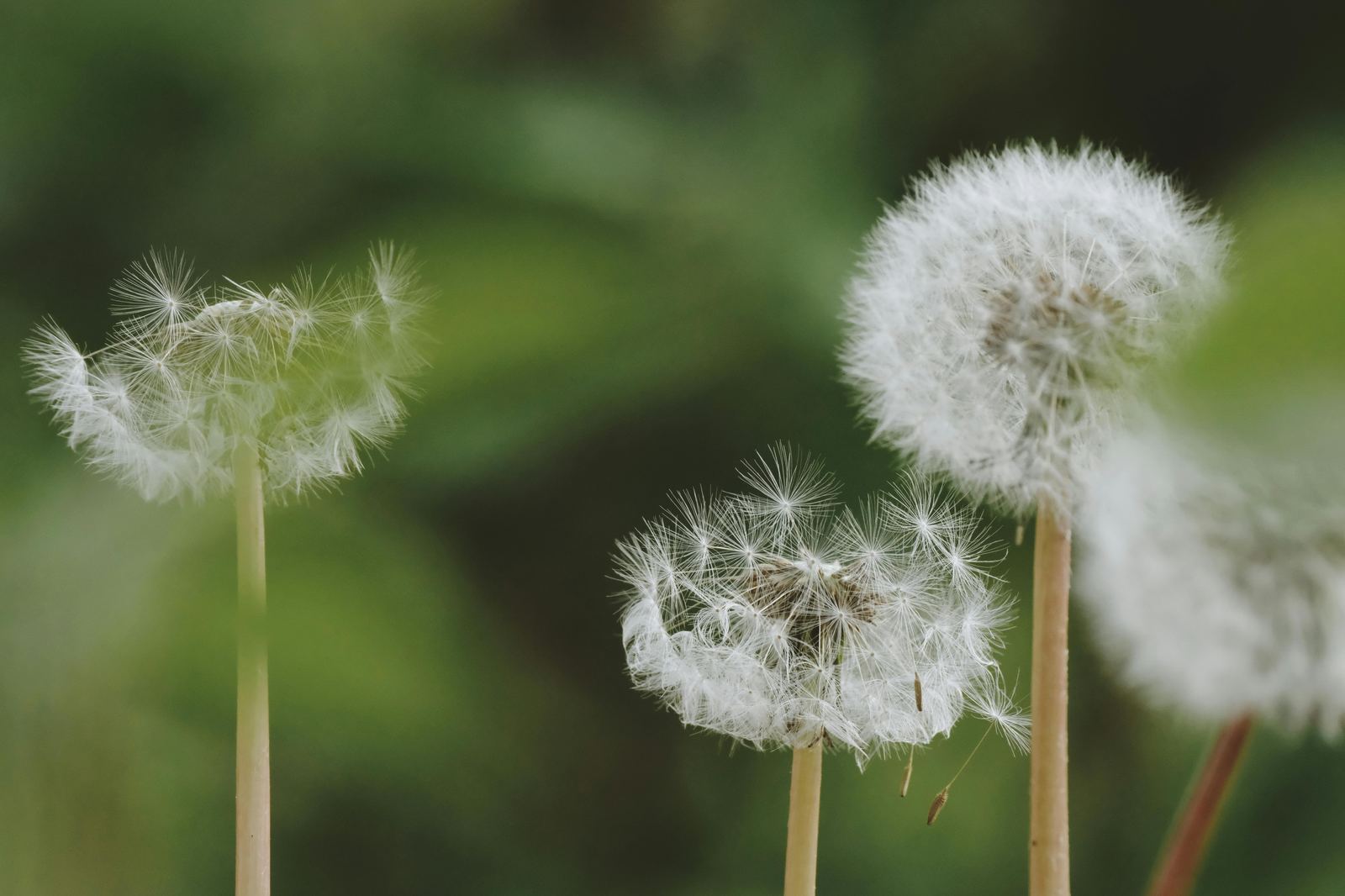
Morning rituals rooted in softness — choosing ease before the world asks anything of you.
A gentle reminder, from me to you
You don't have to earn your softness. You don't have to justify your need for tenderness. The version of you that rests, feels, asks, and allows — she is not the weaker version. She is the whole one. And the whole one is always the strongest thing in the room.
力量不是压抑柔软,而是允许自己完整地存在
你不需要通过努力,才配得上自己的柔软。也不需要证明自己值得被好好对待。 那个会停下来休息、会感受情绪、会说出需求、也允许自己不那么坚强的你 — 并不是更弱的版本。 她只是更真实、更完整的你。而完整,从来不是脆弱。它是一种安静但坚定的力量。 在任何一个房间里,最有力量的,往往不是最用力的人,而是那个完整地存在着的人。