There's a particular flavour of guilt that arrives around six in the evening.
You're tired. The fridge contains four things and none of them are a plan. And somewhere in the back of your mind is a voice that says a proper dinner would involve at least three components, some browning, and a pan you'll have to soak overnight.
So you make eggs. And you feel like you've cheated.
I did this for years — treating scrambled eggs on toast as a small domestic surrender, the thing you do when you couldn't manage the real thing. And then I actually looked at what was on the plate, versus what I'd have made if I'd had the energy for a real dinner, and found that the eggs won on almost every measure that matters.
More protein. More vegetables, usually. Less refined carbohydrate. Gentler on digestion. Cheaper. Faster. And — the part I noticed first, before I understood why — I slept better afterward.
It has a slightly silly name. Brinner. But it's one of the more quietly sensible things you can do with an ordinary Tuesday.
Why It Works: The Actual Nutrition
Here's what's really happening when you swap a heavy evening meal for a breakfast-shaped one.
You get considerably more protein
Breakfast foods are, almost by accident, some of the most protein-dense things in a normal kitchen. Two eggs give you around 12g. A 150g serving of firm tofu gives you 15–20g. A single bowl of Greek yoghurt delivers 15–20g — often more than a chicken breast portion, for a fraction of the effort.
Protein matters more at dinner than most of us realise. It's the most satiating macronutrient by a comfortable margin, it has the highest thermic effect (your body uses more energy digesting it), and — this is the practical bit — it's the single most reliable way to stop the 9pm cupboard visit.
Most evening overeating isn't hunger. It's a dinner that didn't contain enough protein to register as a real meal.
Vegetables arrive without a fight
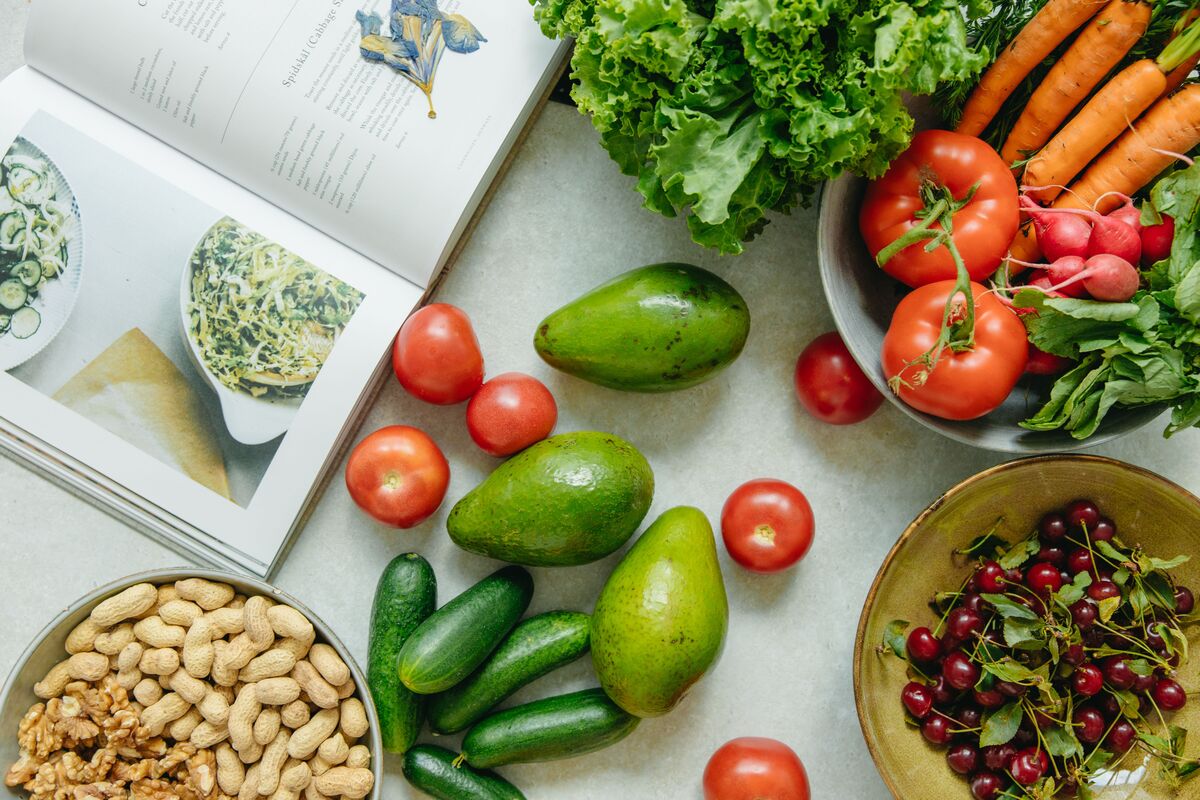
A frittata is a beautifully forgiving vehicle. Spinach that's gone slightly sad, half a pepper, mushrooms nobody committed to, the last of the cherry tomatoes — all of it disappears into eggs and comes out looking deliberate.
Most people fall short of the recommended five-a-day. A vegetable-heavy scramble or frittata can move you two or three servings closer without any negotiation, and without a single vegetable being the "boring" component on the side of the plate.
Your blood sugar stays flat
Compare two Tuesday dinners. The first: a large bowl of pasta with a jarred sauce — refined carbohydrate, little protein, added sugar you didn't choose. The second: eggs with vegetables and a slice of wholegrain toast.
The first produces a sharp glucose rise followed by a reactive dip, which lands about two hours later and reads, unhelpfully, as a craving for something sweet. The second gives you protein, fat, and fibre together — a slow, steady curve. No spike, no dip, no 9pm search for chocolate.
If you've ever wondered why you're ravenous at ten at night after eating plenty at seven, this is usually the answer. I've written more about that particular loop in Your Sugar Cravings Are Not a Character Flaw.
Your digestion gets a night off
Fat slows gastric emptying. That's useful at lunch and less useful at eleven at night, when a heavy, fatty meal is still working its way through a system that would rather be asleep. Large late meals are associated with more reflux, more fragmented sleep, and that specific morning heaviness where you wake up feeling like you're still digesting yesterday.
A breakfast-style dinner is typically lighter and simpler — eggs, oats, yoghurt, vegetables. It moves through more easily. And there's a small bonus: eggs, oats, tofu, dairy and seeds are all decent sources of tryptophan, the amino acid your body converts to serotonin and then melatonin. Pair it with a little complex carbohydrate — the toast, the oats — and you've made it easier for that tryptophan to reach your brain.
It isn't a sleeping tablet. But it isn't nothing, either.
And it's genuinely cheap
Six eggs, a bag of oats, a block of tofu, and whatever vegetables are in season will feed you for several evenings for less than one takeaway. In a period where food costs have made eating well feel like a luxury, this is one of the few strategies that's better for your body and lighter on the account.
The meal you can actually make on a Tuesday when you have nothing left is worth more than the meal you'd cook if you were a different person with a different week.
- Refined carbohydrate-led — Sharp glucose rise, reactive dip two hours later, cravings at nine.
- Low protein — Doesn't register as a full meal, so the cupboard calls at half nine.
- Heavy and fatty — Slower to digest, more reflux, more fragmented sleep.
- Expensive and slow — More ingredients, more washing up, more money.
- Protein-forward — 20g+ without trying. Satiety that actually holds until morning.
- Vegetable-friendly — Two or three servings hidden in a frittata, no negotiation required.
- Light and simple — Digests easily, sits well, doesn't interfere with sleep.
- Ten minutes, one pan — Which is the only reason any of this is sustainable.
The Honest Caveat: Not All Breakfast Is Breakfast
I want to be straight about this, because it's the whole thing.
Everything above applies to the savoury, protein-forward end of the breakfast spectrum. Eggs. Tofu. Yoghurt. Oats. Vegetables. Wholegrain toast.
It does not apply to pancakes with syrup, a stack of buttery pastries, or a bowl of sweetened cereal. Those are pudding wearing a breakfast costume, and eating them at seven in the evening delivers exactly the blood sugar spike this article is trying to help you avoid.
Which is a fine thing to have sometimes! But let's not pretend it's the same meal. The magic isn't in the hour. It's in the protein, the fibre, and the vegetables. Breakfast-for-dinner just happens to be an unusually easy way to get all three.
My Two Go-To Brinners
These are the two I make on repeat. Neither requires a recipe, exactly — but here's how I do them.
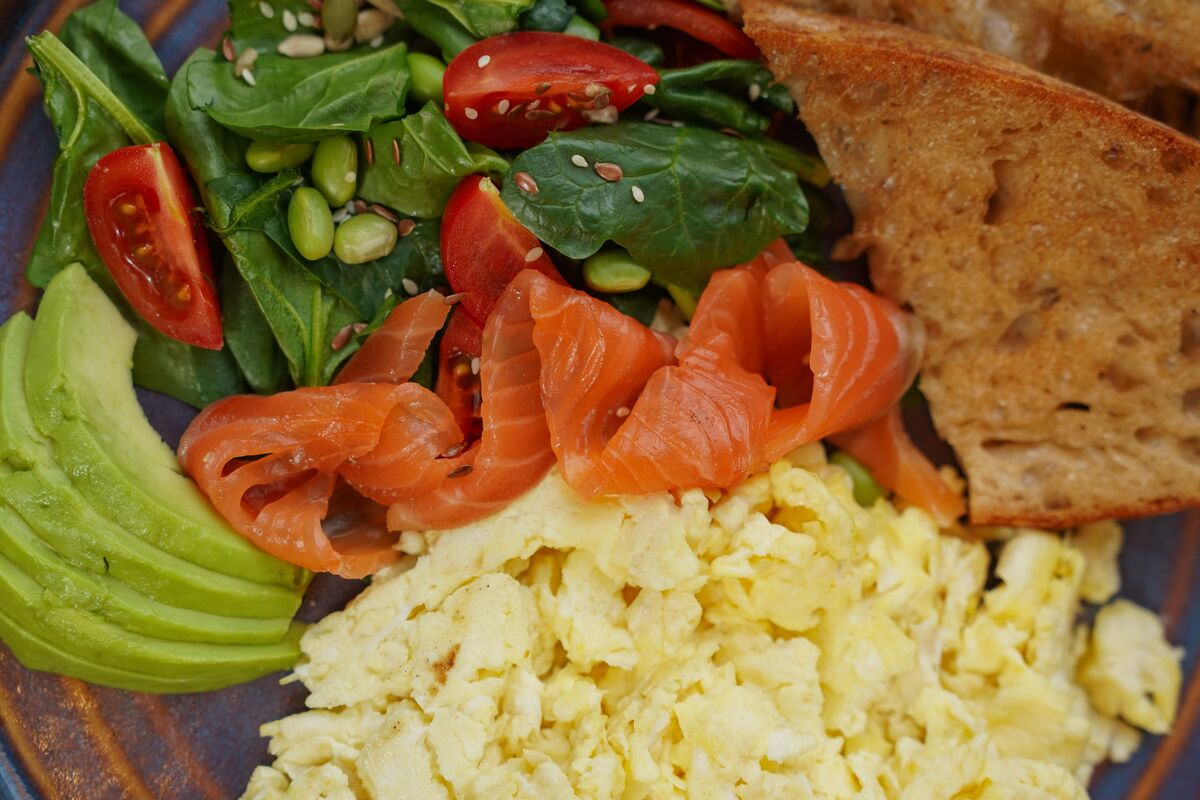
Egg & Tofu Scramble with Avocado
What you need- 2 eggs, beaten
- 100g firm tofu, crumbled by hand
- A generous handful of spinach
- Mushrooms, tomatoes, or peppers — whatever needs using
- 1 tsp olive oil
- ½ avocado, sliced
- Salt, black pepper, chilli flakes; turmeric if you like the colour
- Warm the olive oil over medium heat. Add the crumbled tofu and let it sit undisturbed for 2–3 minutes so it takes on a little colour — this is the step worth not rushing.
- Add the mushrooms or peppers and cook until soft, another 2–3 minutes.
- Turn the heat down. Pour in the beaten eggs and stir slowly and gently. Low and slow gives you soft curds; high heat gives you rubber.
- Fold in the spinach right at the end — it wilts in about thirty seconds.
- Season, tip onto a plate, and lay the avocado over the top.
Why it works: Eggs and tofu together give you around 30g of complete protein — well past the satiety threshold for an evening meal. The avocado adds monounsaturated fat and fibre, which slows everything down further. And the spinach and mushrooms mean you've had two vegetable servings before you've properly registered eating any.
Overnight Oats with Fresh Fruit & Nuts
What you need- 40g rolled oats (not instant)
- 150g Greek yoghurt — this is the protein, don't skip it
- 100ml milk of choice
- 1 tbsp chia seeds
- 1 tbsp almond or peanut butter
- Berries, sliced banana, or whatever fruit is good
- A small handful of walnuts or almonds
- Cinnamon; a little honey if you want it
- Stir the oats, yoghurt, milk and chia seeds together in a jar. It should look slightly too wet — the oats and chia will drink most of it overnight.
- Swirl through the nut butter and a good pinch of cinnamon.
- Lid on, fridge, at least four hours. Overnight is better.
- Top with fruit and nuts just before eating, so they stay crisp and bright.
Why it works: This is the one for evenings when cooking is genuinely not happening. The Greek yoghurt is what turns it from a carbohydrate bowl into a balanced meal — around 20g of protein. Oats bring beta-glucan, a soluble fibre with well-documented cholesterol-lowering effects and a very gentle glucose curve. The nuts and chia add fat and more fibre. It's dessert-adjacent and behaves nothing like dessert.
How to Make It Actually Work
None of these are difficult. They're just the difference between a good dinner and a bowl of cereal.
- Protein first, always. Eggs, tofu, Greek yoghurt, cottage cheese, smoked salmon. If the meal doesn't have a clear protein source, it isn't dinner — it's a snack in a bowl.
- Add a vegetable, even a token one. Spinach takes thirty seconds. Tomatoes take none. This is the step people skip and then wonder why they're hungry at ten.
- Keep the carbohydrate whole. Sourdough or wholegrain toast, rolled oats, sweet potato. Not white bread, not instant porridge sachets.
- Include a fat. Avocado, olive oil, nuts, seeds. It slows digestion, flattens the glucose curve, and makes the meal taste like a meal.
- Eat two to three hours before bed if you can. Not always possible. But it's the single easiest change for reflux and sleep quality.
- Watch the sweet end. A drizzle of honey is fine. Half a bottle of syrup is a different meal with different consequences.
The Part That Isn't About Nutrition
There's something else here that I think matters as much as the protein.
Breakfast food is comforting in a way that's difficult to argue with. It's the food of unhurried mornings, of being looked after, of a slower version of your life. Eating it in the evening does something small and slightly subversive to the shape of the day — it puts the gentlest meal at the end instead of the beginning, right at the point where most of us have the least left to give.
And there's real permission in it. So much of eating well is presented as effort: the meal plan, the prep, the technique, the twelve-ingredient traybake. Brinner asks for none of that. It says the bar for feeding yourself properly is two eggs and whatever's in the fridge, and that clearing that bar counts.
On the evenings when you have very little, having a good meal that takes ten minutes isn't a compromise. It's the whole point. And if you can eat it at a table, without your phone — which I've made an entire case for — it stops being a fallback altogether and starts being something closer to care.
Eggs at seven in the evening are not giving up.
They're more protein than most dinners, a painless way to eat your vegetables, easier on your digestion, kinder to your sleep, and about a fifth of the price of the alternative. The only reason it feels like cheating is that we've decided dinner has to be difficult in order to count. It doesn't. Some of the best food you'll eat this week will take ten minutes and one pan — and you'll sleep better for it.