Here’s where I’ll land before we even start, because you deserve the honest version up front: collagen supplements can offer a modest, localized benefit — mostly for skin, a little for achy joints — but they are not a magic bullet. The real foundation is quieter and less glamorous: enough protein, enough vitamin C, and a few habits that stop you from breaking down the collagen you already have. Let’s walk through all of it.
First — What Collagen Actually Is
Collagen is the most abundant protein in your body — roughly a third of all of it. Think of it as your internal scaffolding: it’s the framework that gives skin its bounce, joints their cushioning, and bones, tendons and even your gut lining their structure. When people talk about “plump, springy” skin, they’re really talking about collagen.
The catch is that we make less of it as we age — production begins to taper from our mid-twenties onward. That gradual decline is part of why skin loosens and joints get creakier over the years. Which is exactly the vulnerability the supplement industry has built an empire on.
Do Collagen Supplements Actually Work?
The honest answer is: somewhat, and in specific ways. The evidence points to modest, localized benefits rather than a systemic overhaul. Here’s the breakdown by what people actually hope for.
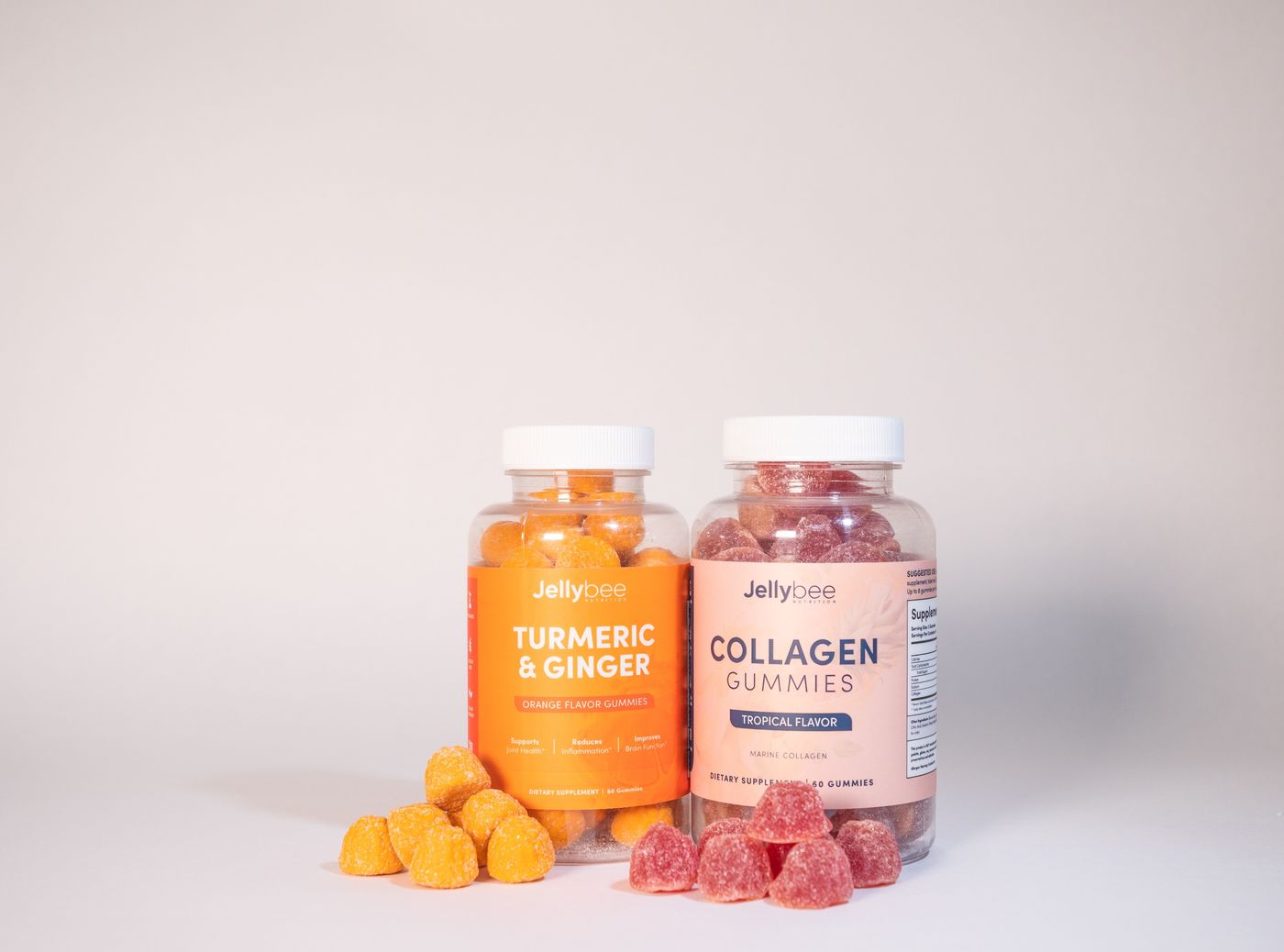
Hydrolyzed collagen (also called collagen peptides) has simply been broken down into smaller fragments so it’s easier to absorb. It’s food-derived, generally very well tolerated, and safe for most people. The honest limitation isn’t safety — it’s that your body decides where those amino acids go, and it won’t necessarily route them straight to your face.
The Food-First Foundation
Here’s the part the marketing skips: you don’t strictly need a supplement at all. Your body is perfectly capable of building its own collagen — it just needs the raw materials. That means enough overall protein to supply the amino acids (especially glycine and proline), and vitamin C, without which collagen synthesis simply cannot happen. Start there, and you’ve built the baseline the powder is trying to sell you.
- Bone broth. Gently simmering beef or chicken bones draws out a nutrient-rich, collagen-and-gelatin base — the original, unglamorous collagen supplement.
- Meat on the bone. Chicken wings and thighs, pork skin, slow-cooked cuts — their connective tissues break down into gelatin as they cook.
- Vitamin C, every time. This is the non-negotiable cofactor. Pair your protein with citrus, berries, peppers or leafy greens so your body can actually put those building blocks to use.
- Enough protein, full stop. Collagen production sits on top of an adequate overall protein intake. Get that right first and everything else works better.
You can spend a fortune on collagen and still come up short — or you can eat enough protein, add a squeeze of lemon, and give your body what it needs to make its own.

Protecting the Collagen You Already Have
This is the twist most people miss: no supplement can outpace the habits quietly tearing your collagen down. Protecting what you’ve got is often higher-value than topping it up.
- Wear sunscreen. Ultraviolet light is one of the single biggest drivers of collagen breakdown in skin — the reason sun exposure ages us faster than almost anything else. (More on this in my honest SPF guide.)
- Ease off the sugar. Diets high in processed and simple sugars accelerate collagen breakdown through a process called glycation, where sugar molecules stiffen and damage collagen fibers. If your sugar cravings run the show, that’s worth gently addressing.
- Prioritise sleep and hydration. Real rest and adequate water support the cellular turnover and skin health that keep collagen doing its job. Unsexy, free, and genuinely effective.
So — Should You Take It?
Food first, always. Build the foundation — enough protein, plenty of vitamin C, sunscreen, less sugar, real sleep — and you’ve done the meaningful work. If, on top of that, you’d like to try a supplement, here’s the honest playbook: choose a hydrolyzed collagen (peptides), aim for 10–15 grams a day, take it with a source of vitamin C, and give it a fair 12 weeks before you judge. Expect a little more suppleness and comfort — not a miracle. It’s a nice-to-have on a solid foundation, never a substitute for one.
Collagen isn’t a miracle. But your kitchen, quietly, kind of is.
The most powerful things you can do for your skin and joints aren’t sold in a tub: eat enough real protein, keep the vitamin C coming, wear your sunscreen, go easy on sugar, and sleep like it matters. A collagen supplement can be a small, pleasant addition to that — but it was never the main character. You were. Feed yourself well, and let your body do what it has always known how to do.