We learned love from stories that were designed to be felt in two hours. The meet-cute. The obstacle. The declaration. The music swelling at exactly the right moment. And somewhere in absorbing all of that, many of us developed a quiet, unexamined belief: that real love should feel unmistakable from the beginning. That uncertainty means absence. That calm means not enough.
It took me a long time to understand that this belief was not just inaccurate — it was, for a lot of people, actively harmful. Because the love that lasts is rarely the one that announces itself loudly. It is the one that deepens quietly, that grows more specific over time, that is built from accumulated small experiences of someone being exactly who they said they were. It does not arrive with thunder. It arrives with evidence.
And evidence takes time.
What Slow Love Doesn't Feel Like
The first thing to understand about falling in love slowly is that it doesn't feel like what most people expect love to feel like — and that misread is where a great deal of confusion begins. Slow love in its early stages doesn't feel urgent. It doesn't keep you awake at 2am replaying every message. It doesn't produce the particular anxious electricity of wondering whether they feel the same, because slow love is not primarily a state of wondering. It is a state of noticing.
The problem is that we have learned to read urgency as passion. The consuming, slightly breathless quality of early intense attachment feels significant — it feels like something happening — and in its absence, we can mistake calm for indifference. We can dismiss something real because it didn't arrive with the symptoms we were trained to recognize as love.
But that urgency has a name in attachment research: anxious activation. When we feel intensely drawn to someone we don't yet know well, part of what we are feeling is the nervous system's response to uncertainty — the same neurological state that produces craving, obsession, and the specific misery of waiting for a text back. It feels like love because it is consuming. It isn't necessarily love. It is often the emotional signature of a bond that is forming too fast to be built on anything solid.
Slow love doesn't produce that state. Instead, it produces something that takes longer to name: ease. A growing comfort that you start to notice one day, the way you notice that a room has gotten warm without identifying the exact moment it changed.
What You're Actually Watching For
Slow love reveals itself through repetition rather than revelation. It doesn't arrive in a grand moment — it accumulates in small ones, and the accumulation is the point.
You don't fall in love with someone's best day. You fall in love with how they handle a bad one. Anyone can be charming and present and their most appealing self in the curated context of early dating. The real information arrives when life intrudes — when they're tired, or disappointed, or stressed, or dealing with something that doesn't reflect well on them. How they manage that, and how they treat you in those moments, tells you almost everything the first few weeks cannot.
Vulnerability is another thing that operates on a slow timeline when it's real. The rushed disclosure of someone sharing their deepest wound on a third date is not the same as the gradual lowering of a guard over months — the small admissions, the harder truths that come when trust has been earned rather than performed. There is a particular tenderness in watching someone trust you incrementally. In being let in one room at a time, over a long period, by someone who isn't sure yet whether you're safe and chooses to find out anyway.
You also watch for whether you naturally become part of the texture of their thinking. Not the dramatic gesture of being introduced as a partner, but the quieter thing: being asked what you think about a decision they're making. Being mentioned in a plan months from now without it being labeled as anything. Becoming, without announcement, someone whose opinion matters to them in the ordinary navigation of their life. That kind of inclusion is not performed. It cannot be faked over time.
And there is something else — something harder to articulate but unmistakable once you've experienced it: you start to love their specific flaws. Not tolerate them. Not overlook them in the interest of the relationship. Actually love the particular and slightly inconvenient way they are. The thing that would have been a deal-breaker in the abstract becomes, because it belongs to this specific person, something you cannot imagine them without. That is not infatuation. That is knowledge.
You don't fall in love with someone's best day. You fall in love with how they handle a bad one — and whether you still feel safe in the room with them after.

Asking for the Pace You Actually Need
If you are someone who builds slowly — who needs time to trust, who opens one room at a time — then one of the most loving things you can do in a new relationship is say so. Not because it's a rule you're imposing, but because it's who you are. And the person in front of you deserves to know who they're in a relationship with.
This conversation, when it comes from a clear and grounded place rather than anxiety or apology, is not a rejection. It is an invitation into how you actually work. It says: I take connections seriously. I am not in a hurry because I think this is worth doing well. I want you to know me — the real version, the one that takes time to arrive — and not just the person I present when I'm performing for early-stage dating.
The framing that tends to land most honestly is one that centers your own nature rather than their pace. Not "you're moving too fast" — which is about them — but "I tend to build slowly, and I want to do that here because I think this is worth building carefully." That distinction matters. One is a criticism. The other is self-knowledge, generously shared.
What you learn from how they receive it is often more useful than anything else you could know about them at that stage. Someone who genuinely wants to be with you will hear that you value the connection enough to protect its pace and feel reassured, not rejected. Someone who responds with pressure, guilt, or impatience is showing you something important about how they will handle any future moment in which your needs diverge from their preferences.
The Person Who Lets You Take Your Time
There is a certain kind of person who, when you ask for time, gives it to you without making you feel that you owe them something for the accommodation. They don't love-bomb you into certainty — flooding the early days with intensity and declarations designed to accelerate a bond that hasn't had time to form on its own terms. They don't test your limits to find where you'll cave. They don't make you manage their feelings about your pace on top of navigating your own.
They simply adjust, because they understand — whether consciously or by instinct — that love that was hurried is not the same as love that was chosen. That knowing someone takes time, and that time spent building something carefully is not time wasted. That the most durable connections are the ones in which both people arrived in their own time, without anyone having to perform readiness they didn't actually feel.
The right person doesn't make you earn your own rhythm. They don't require you to justify why you move the way you move, or apologize for the pace at which you open, or convince them that your caution is not about them. They hold space for the version of you that's still deciding, still watching, still allowing trust to do what trust needs to do — which is accrue slowly, through evidence, over time. They understand that the version of you that takes longest to arrive is often the most honest one, and they are patient enough to meet her.
What Slow Love Becomes
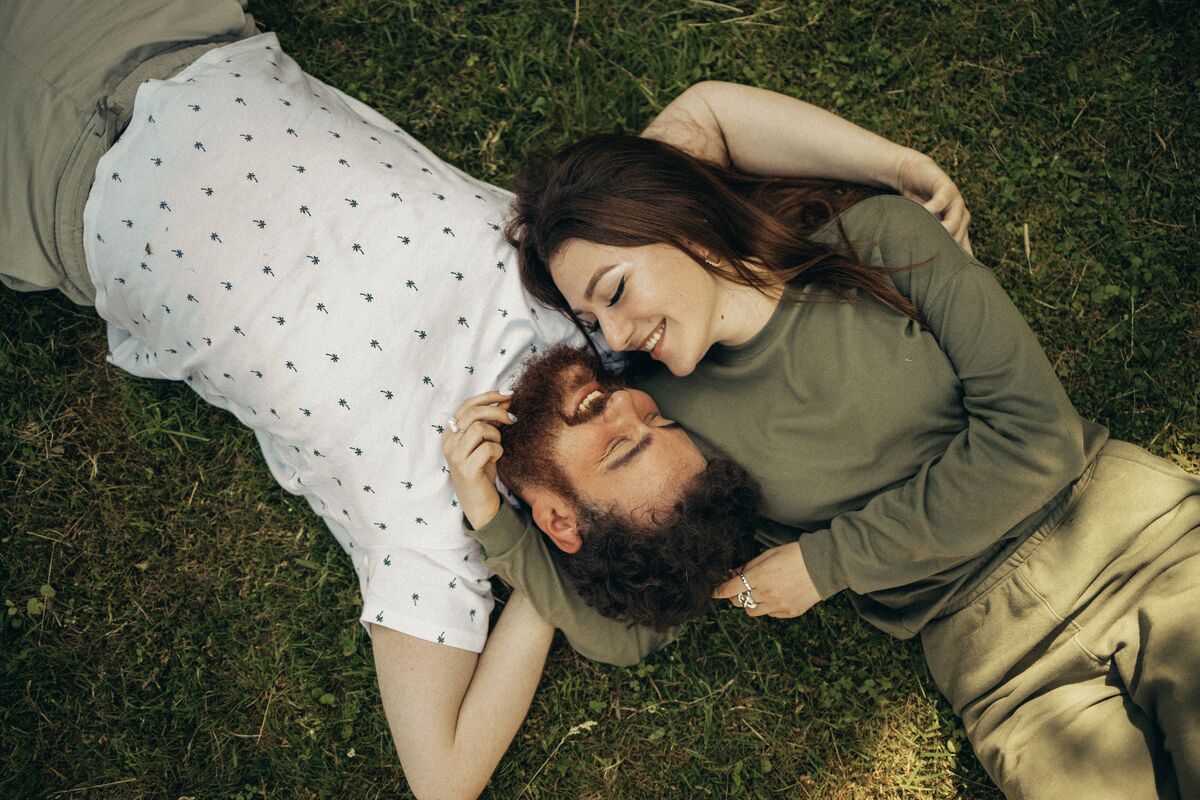
The thing that is hard to communicate about slow love — the thing that only becomes apparent once you've experienced it — is the particular quality of what it produces. The attachment that forms when two people have genuinely gotten to know each other, without shortcuts, without artificial acceleration, without performing a version of themselves that was designed to be appealing rather than true, is a different kind of thing than what forms in intensity and urgency.
It is steadier. It has a quality of confidence that the early-rush attachment doesn't have, because it is not based on a feeling — which can shift — but on accumulated knowledge of a specific person. You know how they are under pressure. You know what they're like when something doesn't go their way. You know their particular way of apologizing when they're wrong, and whether they actually change, and how long it takes them to come back to you after a disagreement. These things cannot be known in a few weeks. They can only be known through time.
And the love that grows from that knowing is, in my experience, the hardest to lose. Not because it is without difficulty, but because it is rooted in something real — not an ideal, not a projection, not the person you hoped they would be, but the actual specific irreplaceable human being they turned out to be. You fell in love with them on a Tuesday without meaning to. And somehow that is the most romantic thing of all.
The love that holds is usually the one that didn't rush to arrive.
It built itself out of Tuesday evenings and small reliable gestures and the slow accumulation of someone showing you, again and again, who they actually are. You may have almost missed it because it didn't feel like the movies. That's how you know it was real.