I have stood in front of a shelf of serums that all called themselves "clean," priced fifty dollars apart, one wrapped in the kind of recycled kraft paper that whispers I compost, and realized none of us — not me, not you, not the woman ringing me up — actually knew what the word on the label was promising. That's not a gap in your beauty education. That's the entire business model.
So let's do the thing a good editor does before a good buy: read the fine print nobody printed.
"Clean beauty" has no legal definition. Neither the FDA nor the FTC has ever defined "clean," "natural," "green," or "non-toxic" for a cosmetics label — which means any brand can print those words on any bottle with exactly zero third-party verification required. What separates a real standard from a pretty word is whether there's a specific, named certification behind it. Most of the time, there isn't.
"Clean" Is Not a Regulated Word. It's a Vibe.
Somewhere in the last decade, "clean" quietly became the most powerful unregulated word in retail. It sits on shelf talkers at Sephora. It sits in the name of entire beauty categories. And per the FDA's own guidance, it has no legal meaning whatsoever in cosmetic labeling — nor do "natural," "green," "eco-friendly," or "non-toxic." A brand can call a product clean for the same reason it can call a product "glowing" or "dreamy": because there's no rulebook stopping it.
This isn't a total free-for-all — cosmetics in the US are regulated under the 2022 Modernization of Cosmetics Regulation Act, the first serious update to the FDA's cosmetic authority in more than eighty years. But MoCRA governs safety substantiation and reporting, not marketing vocabulary. A product can be perfectly MoCRA-compliant and still slap "clean" on the front with nothing standardized behind it.
Natural Doesn't Mean Safe. Synthetic Doesn't Mean Scary.
Here's the sleight of hand "clean" marketing depends on: it quietly implies natural = safe and synthetic = suspicious. Neither half of that equation holds up. Poison ivy is natural. Arsenic is natural. Formaldehyde occurs naturally. Meanwhile, some of the most extensively studied, safety-tested ingredients on your bathroom shelf — hyaluronic acid, niacinamide, many modern sunscreen filters — are lab-made, with decades of published safety data behind them that a lot of "natural" alternatives simply don't have.
- Where the ingredient originally came from
- Nothing about its concentration or dose
- Nothing about how it was processed
- Nothing about whether it's actually safe for skin
- Published research on the specific ingredient
- The concentration it's used at in the formula
- A named certification, not a vague claim
- Your own skin's documented reactions
"Natural" tells you an ingredient's origin story. It has never once told you whether it's safe.
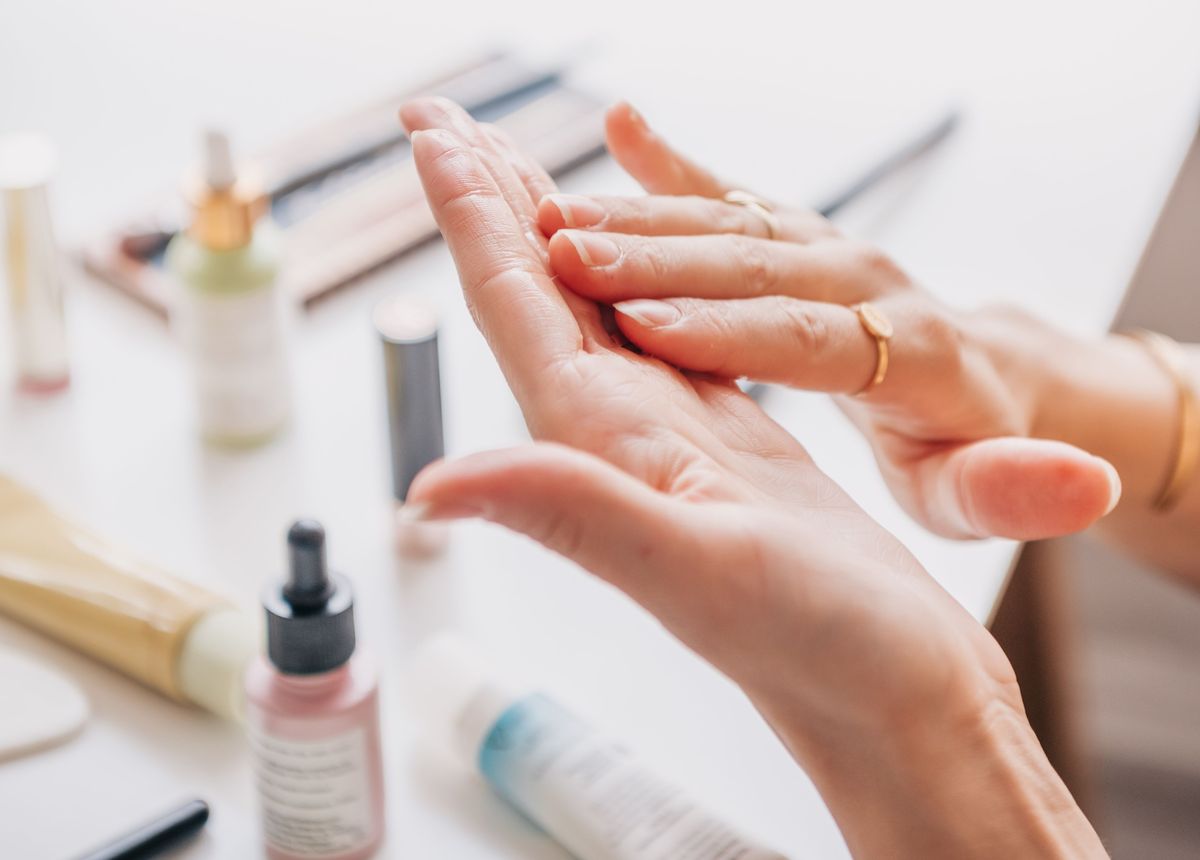
The Actual Gap: What Europe Won't Sell You
If you want a real, quantifiable difference in ingredient safety standards, skip the marketing copy and look at the regulation itself. The EU's cosmetics framework lists more than 1,600 banned substances and over 300 restricted ones. The US, even post-MoCRA, has formally restricted only a couple dozen. The philosophies are also inverted: the EU treats an ingredient as guilty until proven safe; the US has historically treated it as innocent until proven harmful.
That gap is real, and it's a genuinely useful thing to know. It is not, however, the same thing as "clean." A product can be sold legally in the EU's stricter system and still have nothing to do with the marketing category "clean beauty" — the EU's rules are about substantiated safety thresholds, not vibes.
The Labels Actually Worth Trusting
Not every seal is decorative. A handful have a real, published, third-party standard behind them — and knowing the difference is the entire skill.
- EWG Verified. Screens against the Environmental Working Group's Skin Deep ingredient database and excludes anything already banned in the EU or Canada, plus a list of known carcinogens and developmental toxins.
- COSMOS Organic / COSMOS Natural. A joint standard from Ecocert and the Soil Association requiring a minimum share of natural-origin ingredients and excluding petrochemicals entirely.
- MADE SAFE. A US-based nonprofit screening formulas against a list of roughly 6,500 chemicals of concern, with full ingredient disclosure required.
- Leaping Bunny / Cruelty Free International. Verifies no animal testing anywhere in the supply chain — I've written a whole separate deep-dive on this one, since it's a different question entirely from ingredient safety.
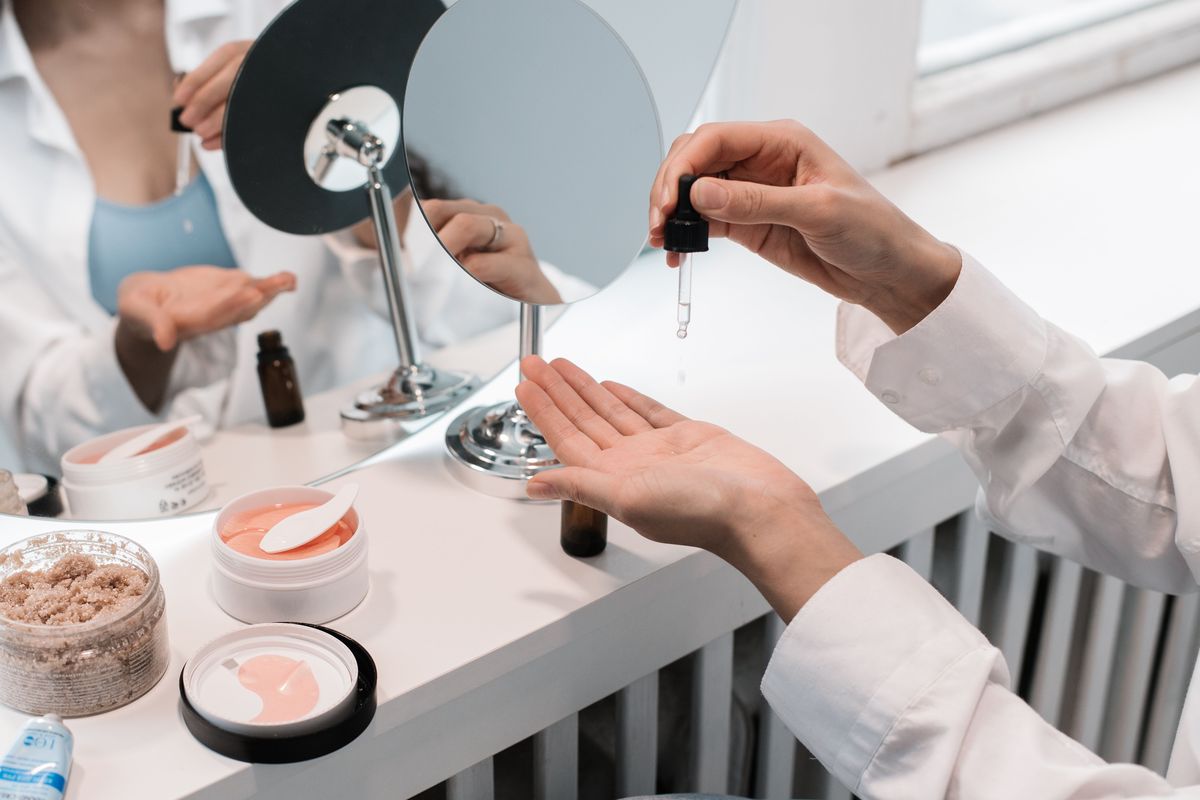
Where I Personally Draw the Line
I stopped shopping for "clean." I started shopping for specific.
Here's my honest, unglamorous personal rule, developed after years of getting swept up in prettier packaging than I'd like to admit: I look for a named certification over a vague claim, I read the actual ingredient list rather than the front-of-bottle copy, and I don't panic over an ingredient just because its name sounds unfamiliar or vaguely scientific. I do pay closer attention to fragrance blends, since "fragrance" can legally bundle dozens of undisclosed ingredients under one word, and to specific formaldehyde-releasing preservatives with real documented concerns. Everything else, I judge ingredient by ingredient, evidence by evidence — not by whether the bottle looks like it belongs in a spa.
That's not a purity test. It's just paying attention to the right things instead of the loudest ones.
"Chemical-free" isn't a real category — water is a chemical, and so is every ingredient in every product you own, natural or synthetic. Chasing an impossible standard of "purity" can turn into its own kind of anxiety, and that's not a healthier relationship with your skincare than the one you started with.
If you have a diagnosed allergy, sensitivity, or skin condition, patch-test new products and talk to a dermatologist — a certification label is a useful signal, not a substitute for that.
The best-dressed word in beauty is also the least accountable one.
You don't need to boycott "clean." You just need to ask it for its receipts — and most of the time, it doesn't have any.