I’m a writer, not a physician, and this is carefully-sourced journalism — not medical advice. The studies below show associations, some of them strong and repeated, but association is not proof that any one thing causes infertility. If you’re trying to conceive or struggling to, please work with a qualified specialist. And please hear this clearly: none of what follows is your fault.
This began as a question I couldn’t put down. All around me — in group chats, in waiting rooms, in the quiet grief friends carry — people are having a harder time building families. We’re told the reason is timing: we marry later, we try later, and biology has its limits. That’s true, and it matters. But it kept nagging at me that people in other rich countries also start later — and they’re healthier, they live longer, their bodies seem to hold up. So why not us?
The Uncomfortable Numbers
Start with the paradox. In 2026 the US general fertility rate fell to a record low, continuing a slide that began around 2007. At the same time, American life expectancy sits at about 79 years — roughly 3.7 years shorter than in comparable countries, which average around 82.7. And we do not get there cheaply: the US spends nearly twice as much per person on healthcare as its peers, and still posts worse outcomes.
Sit with that combination for a second. We spend the most, and we live the shortest, and we’re having the fewest babies. Whatever is happening, “we just need to try harder” isn’t the whole story.
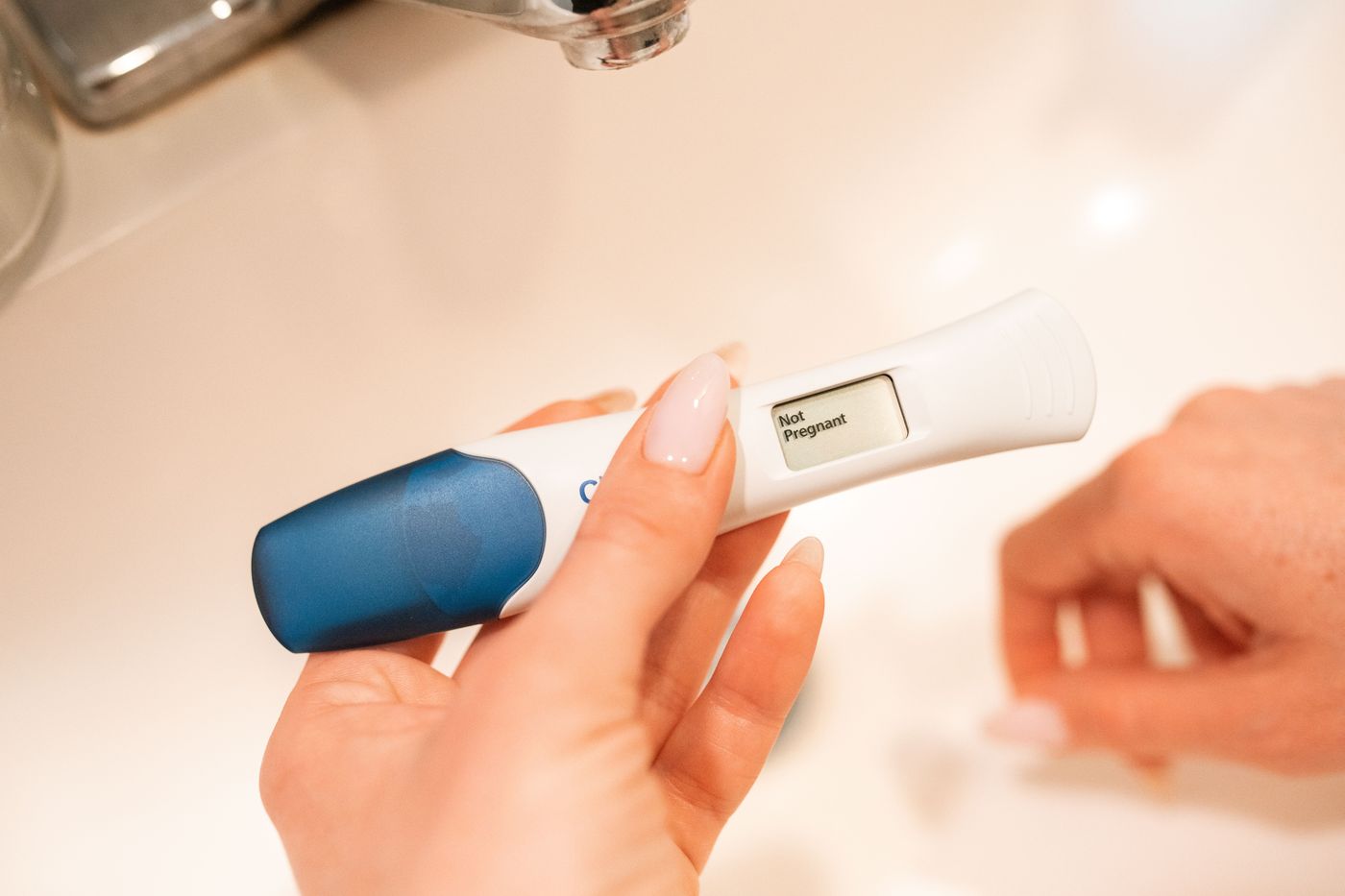
“We’re Just Waiting Longer” — True, but Incomplete
The mainstream explanation is real: delayed marriage and childbearing, driven by economics, the cost of raising kids, and lives that fill up before they settle down. Later maternal age genuinely does mean more complications, more assisted reproduction, and lower completed fertility. I’m not waving that away.
But here’s the part that nags. Researchers increasingly describe the decline as a sustained shift, not just postponement. And if we’re having children older, then the health we carry into our thirties and forties matters more than ever. Which raises the obvious next question: what, exactly, is happening to our health in those years — and why does it seem to be happening to us more than to our peers abroad?
What’s On Our Plates
The most-studied answer starts with food — specifically, the parts of the modern diet that our great-grandparents wouldn’t recognise as food at all.
- Ultra-processed foods. Higher intake is linked, in men, to lower sperm count, concentration and motility, and up to roughly four times more sperm DNA damage, along with lower testosterone. In women, to lower rates of conception and live birth — even after adjusting for age, weight and lifestyle. The suspected mechanisms: chronic low-grade inflammation, oxidative damage to eggs and sperm, and additives that behave like hormone disruptors.
- The classic Western diet. A pattern heavy in saturated animal fat and refined sugar is associated with poorer embryo quality and ovulation problems — it’s the overall pattern, more than any single food, that seems to matter.
- Endocrine-disrupting chemicals. BPA, phthalates and PFAS — the “forever chemicals” — hide in plastics, food packaging, cosmetics and household dust. They’re linked to diminished egg quality, PCOS, earlier menopause and lower IVF success, and one study tied higher PFAS levels to a 5–10% drop in the monthly chance of conceiving. They work by imitating or blocking your hormones — the exact system reproduction runs on.
We are the first generation to eat, drink, and absorb our way through a chemistry experiment no one signed us up for — and our hormones are the control group.
And I’m not the only one connecting these dots. In the clip below, veteran investor Jeremy Grantham — who has spent 27 years researching environmental toxicity — lays out just how far male fertility has already fallen, and names the same endocrine disruptors we’ve been tracing: phthalates, BPA, PFAS, microplastics. It is sobering. It is also exactly the pattern this piece keeps running into.
Jeremy Grantham on the sperm-count decline and the everyday chemicals driving it. — The Diary of a CEO
Why American Food Is a Different Animal
Here is where the comparison to Europe stops being vibes and starts being policy. The US and the EU regulate food from two opposite starting points, and that single difference cascades into everything on the shelf.
- Two philosophies. The EU follows a precautionary principle — restrict a substance until it’s shown to be safe. The US takes a risk-based approach — allow it until harm is demonstrated. Guilty until proven innocent, versus innocent until the evidence piles up.
- The GRAS loophole. The US lets manufacturers designate new ingredients “Generally Recognized As Safe” — in some cases self-certifying with their own hand-picked panels, without independent FDA testing. The EU routes every additive through the European Food Safety Authority.
- Additives. Over 3,000 are approved in the US; the EU bans or restricts many — potassium bromate, azodicarbonamide, BHA, BHT, titanium dioxide, several dyes. (Credit where due: the US finally banned brominated vegetable oil in 2024 — proof the gap can close, and proof of how long it takes.)
- Pesticides. The US permits dozens Europe prohibits or tightly limits — glyphosate, atrazine, neonicotinoids among them — and tolerates higher residue levels.
- Meat & dairy. Growth hormones are used in US beef and dairy but banned in the EU since 1999; chlorine-washed chicken is standard here but banned in the EU since 1997, on the logic that a chemical rinse is used to paper over dirtier conditions upstream.
US regulators and much of the food industry maintain these ingredients are safe at approved levels, and “banned in Europe” doesn’t automatically mean “dangerous” — dose, exposure and individual biology all matter, and no single additive has been shown to single-handedly cause infertility. That’s the honest counterweight. But the pattern — more permitted chemicals, less independent testing, and a population that’s sicker than its peers — is hard to un-see once you’ve seen it.
The Question I Can’t Stop Asking
Here’s where I have to be honest about the edge of what I can prove. We spend nearly double what peer nations spend on healthcare, and we’re sicker for it. A system built to treat illness earns its living when we’re ill, not when we’re well. Prevention doesn’t bill by the visit.
I want to be careful here, because this is exactly the point where a fair question can tip into an accusation I can’t back up. So let me say it plainly: I have no evidence that anyone drew up a plan to keep us sick, and I’m not claiming they did. You don’t need a plot for incentives to point the wrong way. When prevention isn’t profitable and treatment is, “sick-care” is simply what the machine optimises for — and a lightly-regulated food supply happens to fit that machine a little too neatly. That’s not proof of anything. It’s a what if. The kind that, once it occurs to you, is hard to set back down.

What You Can Actually Do
I refuse to leave you in the doom. Because the strange grace of this story is that the biggest levers — what you eat, what you touch, what you demand — are ones you can start pulling this week. Not perfectly. Just gently, and on purpose.
- Crowd out the ultra-processed. You don’t have to be a purist. Cook a little more, choose shorter ingredient lists, and let real food quietly take up more of the plate.
- Lower your plastic load. Glass or stainless over plastic, never microwave in plastic, filter your water, and skip heavily fragranced products where you can — that’s a real dent in your BPA, phthalate and PFAS exposure.
- Eat for your eggs and sperm. Colour, antioxidants, healthy fats, fibre. Whole foods aren’t a trend here; they’re protection.
- Spend your organic budget where it counts. Prioritise the most sprayed produce and animal products rather than trying to buy everything perfect.
- If you’re trying to conceive, handle raw foods with care. Unpasteurised milk and undercooked meat can carry Listeria or Salmonella, which raise miscarriage risk — one place the caution is genuinely warranted.
- Use your voice. This is, in the end, a policy problem more than a willpower problem. What we tolerate, we get more of.
- And see a specialist if you need one. So much of fertility is treatable, and none of it is a moral failing.
This isn’t meant to frighten you into a smaller life. It’s meant to hand you back some agency.
You were handed a food system you didn’t design and a set of exposures you never agreed to — and still, more of the power sits in your hands than the fear would have you believe. Eat real food. Touch less plastic. Ask louder questions. And hold both truths at once: that something bigger than you is at work here, and that your small, daily choices genuinely matter anyway. That’s not naivety. That’s where change has always started.