
For most of my life, I couldn't put words to the way I moved through the world. To how I think. To why I feel things on a delay — emotions that arrive in the moment but only become legible to me hours or days later, once I've had time to sit quietly and examine them. To why I've always preferred a room of well-organized thoughts over a room of people. To why I warm up slowly, give my trust like it costs something — because it does.
Then I took the Myers-Briggs Type Indicator — formally developed by Katharine Cook Briggs and Isabel Briggs Myers — and read my result: INTJ. The Architect.
I read the description once. Then again, more slowly, with the particular discomfort of being understood by something that doesn't know you at all. It wasn't that the profile told me something new. It was that it named things I had been living with for years without words for them. Things I'd been carrying so long they had started to feel like flaws. Seeing them together, as a coherent system, changed how I understood myself entirely.
The INTJ type — Introverted, Intuitive, Thinking, Judging — accounts for 2–4% of the general population. But the female INTJ is rarer still. We tend to be described as intimidating, mysterious, and occasionally confusing. We don't fit the mold of stereotypical femininity, and we resist being categorized by it.
There is a particular kind of relief in finally having language for all of this. Not because the language changes anything — but because it ends the years of quietly wondering if something is wrong with you. Nothing is wrong with you. Your strength just looks different.
"There is a particular kind of relief in being accurately described. Not praised — described. Being seen clearly, even by a questionnaire, is rarer than it should be."
These are five things about being an INTJ woman that I've never quite managed to explain until now.
You might also want to read
Confession 1: I do have feminine qualities. They just aren't obvious.
I struggled to connect with other girls growing up. Not because I didn't want to — because the connection never quite came naturally. I preferred my books. My own thoughts. The company of a handful of people who talked about ideas rather than people, who found the same satisfaction in a well-organized argument that others found in small talk. My teachers framed this as a problem to be solved. It wasn't a problem. It was just me.
My natural register is direct. I deal better with information than with emotional performance. I've always been drawn more to logic than sentiment, to the systems underneath the surface rather than the surface itself. I excelled at structured thinking and found purely expressive tasks more effortful. For a long time, I read all of this as evidence of something missing in me — the warmth that seemed to come naturally to other women.
But I've come to understand that warmth and expressiveness are not the same thing. I am deeply loyal. I am honest to a degree that occasionally causes friction. I am dedicated to the people I choose in a way that doesn't waver once it's established. I love kids. When the mood strikes me, I'll wear something beautiful and spend two hours getting ready and genuinely love every second of it.
You just might not see any of that until you've known me for a while. The warmth is there. It's simply selective about where it goes — and in that selectivity, it is not diminished. It is concentrated.
Confession 2: I really appreciate sensitive men. And I'll tell you exactly why.
Here is an honest truth about INTJ women in romantic relationships: most men aren't willing to stay past the dating phase.
I don't say this with bitterness — it's an observation I've watched play out enough times to take seriously. Most men, whatever they say they want, are instinctively drawn to more traditional expressions of femininity. Warmth that is immediately readable. Emotional availability that doesn't require patience or runway. A softness that presents itself on the first date and requires no earning to access.
An INTJ woman's emotional availability is real, and once established, becomes one of her most defining qualities. But you don't see it until trust exists. And trust, for me, is earned slowly — through consistency, through demonstrated honesty, through proving that you can be trusted with something real before I'll hand it to you.
The men who stay — who don't mistake my reserve for disinterest or my directness for aggression — tend to be a particular kind of person. Genuinely secure. Emotionally intelligent without performing it. Men who have made peace with their own interior life and therefore don't need me to manage their ego or soften every observation for their comfort.
Men who have had to break out of their own boxes tend to understand, without needing it explained, that I have too. That's not a small thing. It takes an extraordinarily secure and mature man to sustain a relationship with an INTJ woman — not because she demands much, but because what she needs requires him to show up without the armor most men spend their whole lives building and never question.
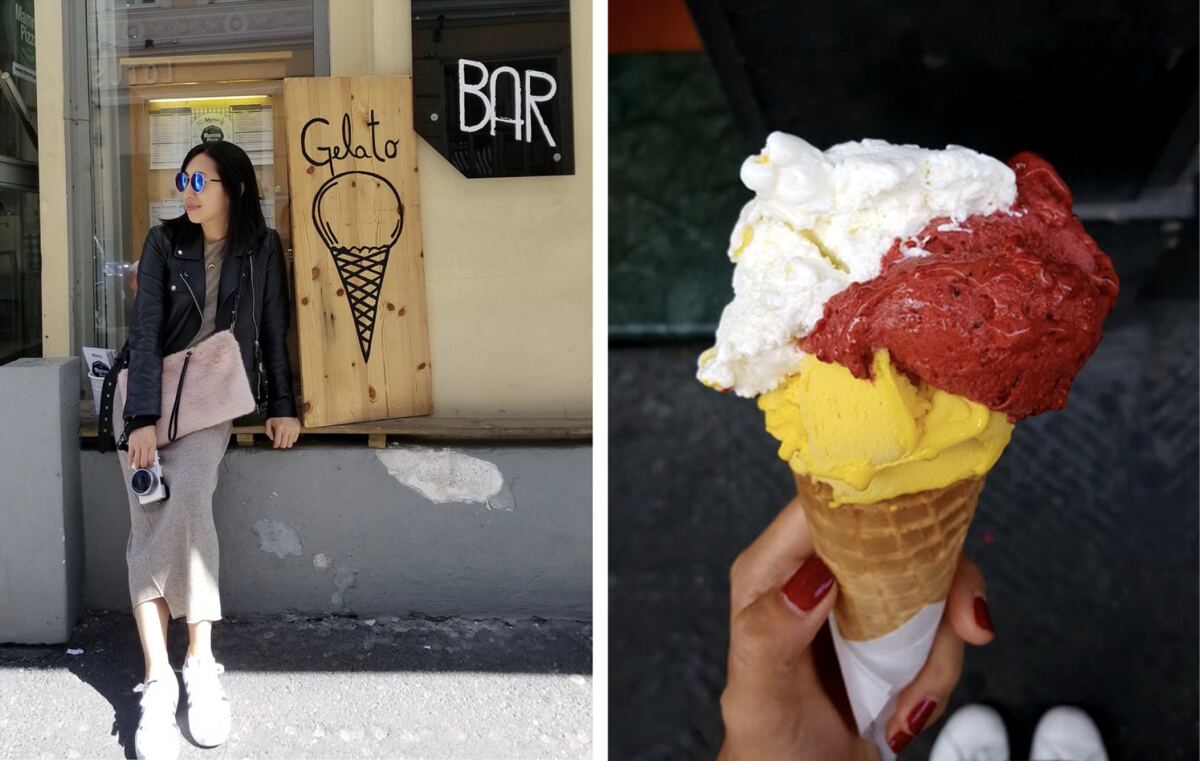
Confession 3: Sometimes the ways I show affection don't seem affectionate.
When someone I love comes to me with an emotional problem, my first instinct is not to sit in the feeling with them. My first instinct is to solve it.
I will share an article. I'll ask three clarifying questions. I'll spend an hour researching the thing they mentioned in passing because I want to understand it fully before I respond. I'll offer a framework. What I'm trying to say, through all of this, is: I care about you enough to actually think about this. That is the deepest expression of care I have. It just doesn't always look like what people expect care to look like — and I've had to learn that the gap between how I mean something and how it lands is my responsibility to close, not theirs.
There's something else I've had to make peace with about how I experience emotions: they arrive on time, but they're understood on a delay. The feeling happens in the moment. The comprehension of the feeling comes later — sometimes hours, sometimes days — once the logical mind has had a chance to examine it from the outside. I can seem unaffected in moments that are quietly devastating me. The grief comes out later. The love gets articulated once I've understood it well enough to speak it. I've learned to say I'll tell you how I feel about this once I know and mean it as an act of honesty, not withdrawal.
Once trust is established — and it always takes time — I am one of the most dedicated, loyal people you'll ever have in your corner. The architecture of how I get there might not look like what you expected love to look like. But it holds.
Confession 4: I'd rather you compliment my ideas than my clothes.
There is a loneliness to being rare that is difficult to describe unless you've felt it.
For most of my life, I have been looking for what some describe as an intellectual soulmate — not only as a romantic criterion, but as a general need. Someone who thinks at the same depth. Someone who wants to look at the thing beneath the thing. Someone who finds the same satisfaction in a well-reasoned argument that other people find in a good meal. Finding these people is not easy when you make up less than 2% of the female population.
I can make small talk when I have to. I'm not incapable of it. But sustaining it requires a kind of low-grade effort that accumulates — a translation work that other conversations don't demand. By the end of a party full of light conversation, I am tired not from the noise but from the effort of staying at the surface when every instinct is pulling me deeper.
Compliment my ideas and I'll remember it for years. I will catalog it and return to it. It tells me something real about whether you're paying attention. Compliment my outfit and I'll thank you and mean it — but it tells me nothing about whether you see me.
I'm also very decisive about my social circle. Once trust is established, I will fight for a relationship with everything I have. Once it's broken — genuinely broken, not just strained — it's finished. I don't experience this as cruelty. I experience it as honesty. I don't have energy for connections built on performances neither of us believe in anymore. The people in my life are there because I chose them carefully, and I intend to keep choosing them.
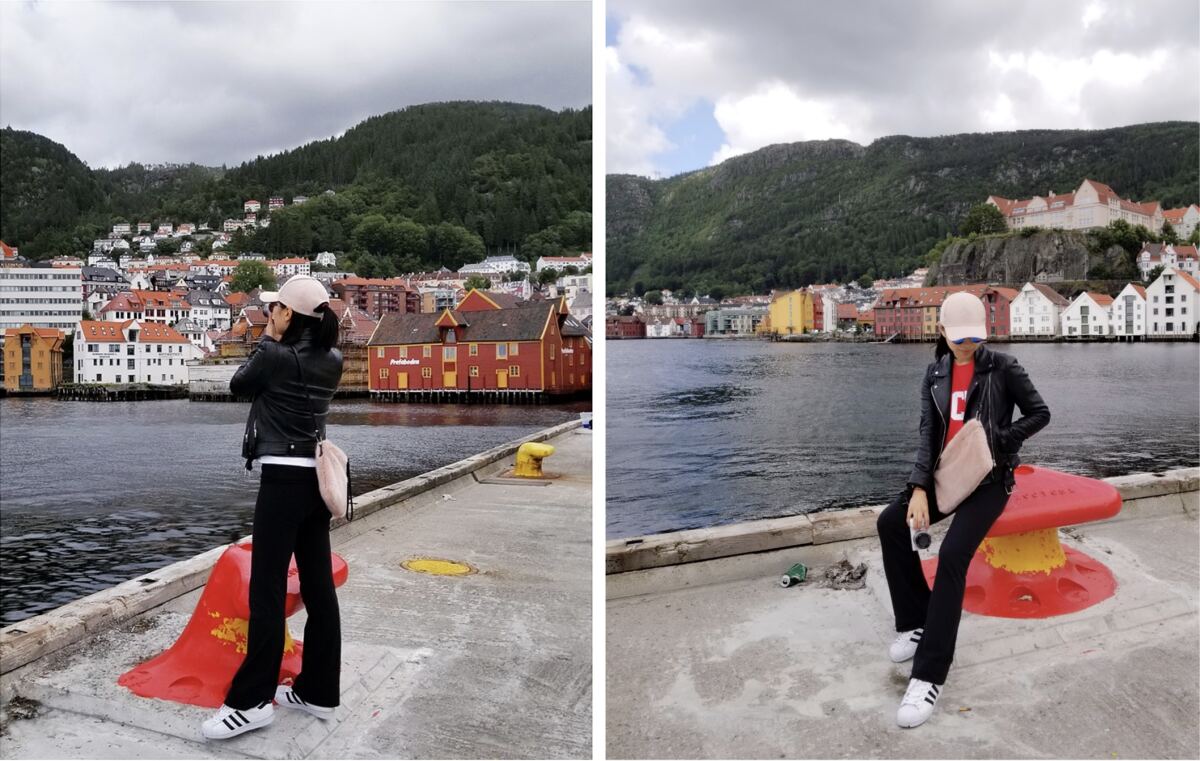
Confession 5: I'm trying to be direct. Not rude.
My directness has been misread for as long as I can remember. By teachers who interpreted my answers as combative. By colleagues who didn't expect to be disagreed with so specifically. By people who asked a vague question and were surprised to receive a clear one in return.
I don't hedge because I find it inefficient. I say what I mean because I assume you'd rather know. When I disagree, I say so — because I respect you enough to tell you the truth rather than offer the version of the conversation that keeps everyone comfortable and changes nothing.
What I've had to learn is that this reads differently on a woman. The same quality that earns a man the word decisive earns a woman the word difficult. The same directness that reads as confidence in a man reads as intimidating in a woman. This is a calibration problem in how we read women — and it is not mine to fix, though I've had to learn to navigate it. I've become more deliberate about where I add softeners and where I stay clear and let people adjust.
There is a difference, though, between directness and unkindness. I have edges. I don't use them as weapons. When I'm blunt with you, it is the opposite of aggression — it is respect. I'm treating you as someone capable of receiving honest information and doing something useful with it. That is what I want from the people I trust. I have always assumed it was what everyone wanted.
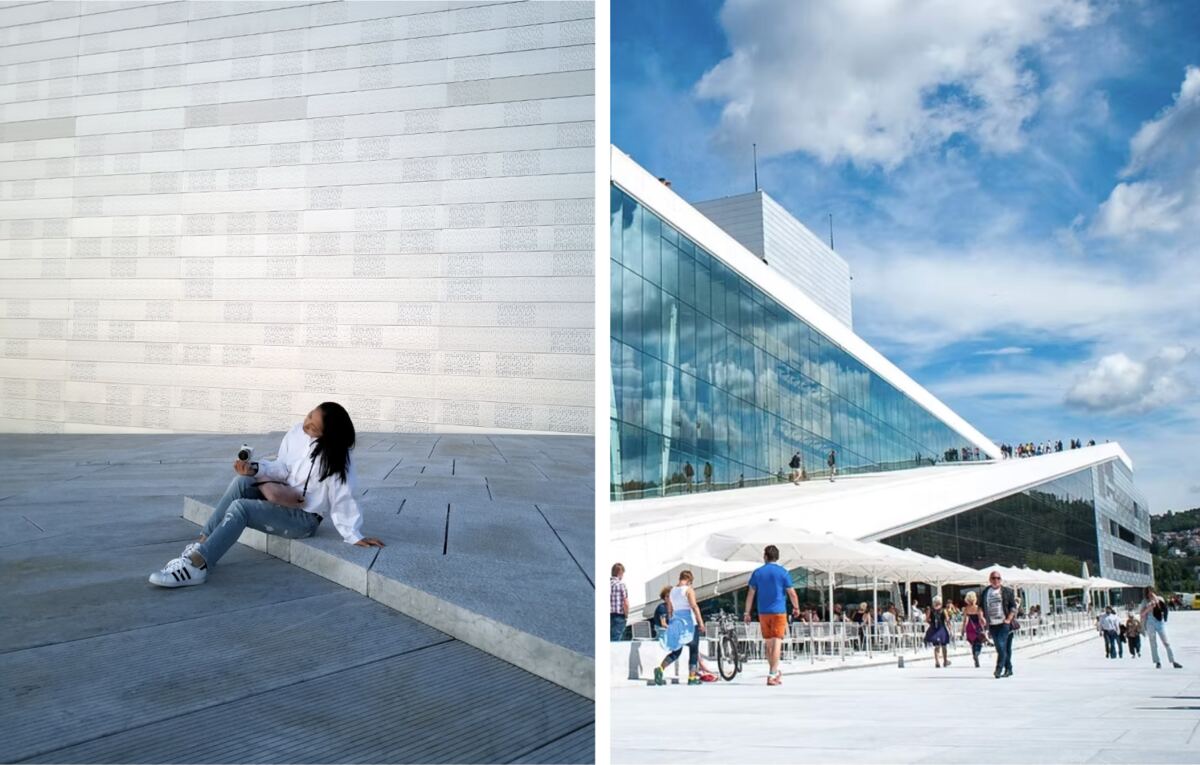
What Knowing This Has Changed
Knowing I was INTJ didn't change what I was. But it changed what I called it — and that turned out to matter more than I expected.
I stopped apologizing for the slowness of my trust-building. I stopped interpreting my processing delay as evidence that something was broken in me. I stopped performing warmth I didn't feel in order to make other people comfortable with my temperature. I got clearer, over time, about what I needed from relationships and what I was genuinely offering — and those two things turned out to be more consistent than I had realized.
If you're an INTJ woman reading this — or if you've ever been told you're too much, too cold, too direct, too hard to reach — I hope what I've written here gives you what discovering this type gave me: not a label that limits, but a language that finally fits. A way to say this is how I am built without the apology that used to come after it.
There's one thing I wish someone had told me earlier, when I was the girl who preferred her books to her classmates and couldn't understand why that was supposed to be a problem:
Darling, what if your strength just looks different?
Not less. Not broken. Not in need of softening for someone else's comfort. Just shaped differently. Quieter on the outside than it is on the inside. Slow to show, and deep when it does. Not the kind of strength that announces itself.
The rarest kind usually doesn't.
These five things explain a lot — not just about INTJ women in general, but about why this blog reads the way it does. Quiet. Deliberate. A little obsessed with understanding things from the inside out. If you want to know the full picture, the About page is where that lives →