You already talk about your gut like it thinks. A decision that feels “gut-wrenching.” A choice you made on a “gut feeling.” The “butterflies” before a first date. We treat these as figures of speech. They aren’t. As a nutritionist, this is the part of the job I find genuinely thrilling — the gut and the brain are in constant, real biochemical conversation, and what you eat is one of the loudest things you say to it.
“Just like our skin, eyes, and ears send messages to the brain, the gut and the brain are also constantly talking to each other,” explains Jun Huh, PhD, an associate professor of immunology at Harvard Medical School. “When things go awry, that can lead to real issues in our health and everyday life.” This is the gut-brain axis — and once you understand how it actually works, you will never look at a meal the same way again.
You Have a Second Brain, and It Lives in Your Stomach
Your entire digestive tract, from esophagus to colon, is lined with its own independent nervous system called the enteric nervous system. It contains more than 100 million neurons — more than your spinal cord — and it can sense, decide, and act largely on its own, without waiting for instructions from the brain in your skull. That’s why researchers nicknamed it the “second brain.”
The two brains stay in touch primarily through the vagus nerve, the longest nerve in the human body. Dr. Huh compares it to “the Mass Pike linking Boston with many other cities” — a direct highway carrying traffic in both directions, all day, every day, whether you notice it or not.
The Four Ways Your Gut Is Talking to Your Brain Right Now
Scientists have mapped several distinct communication channels between your gut and your brain. None of them require your attention to function — they are running in the background of every meal you eat.
- Direct nerve signaling. The vagus nerve carries real-time signals from your gut lining straight to your brainstem — fullness, discomfort, and subtler chemical cues included.
- Immune messaging. Immune cells stationed in your gut wall detect what's happening there and dispatch signals to the brain. Dr. Huh's analogy: “Immune cells are like an Amazon Prime truck that delivers an item the next day.” The order gets placed in the gut; the delivery arrives in the brain.
- Mood-chemical production. Your gut manufactures serotonin, dopamine, and GABA — the same neurotransmitters your brain uses to regulate mood, motivation, and calm.
- Microbiome shifts. When inflammation flares in the gut, it can alter which bacteria thrive there, and that altered bacterial population sends its own signals back up the chain — a feedback loop that can work for you or against you.
Immune cells are like an Amazon Prime truck that delivers an item the next day.
— Jun Huh, PhD, Harvard Medical School
Almost All Your Serotonin Is Made in Your Gut — Not Your Head
Here is the fact I bring up at every dinner party: an estimated 90% of the serotonin in your body is produced in your digestive tract, not your brain. Serotonin is the neurotransmitter most associated with feeling calm, content, and emotionally steady.
It doesn’t work quite the way you'd assume. Gut-made serotonin can’t cross the blood-brain barrier directly, so it isn’t flooding your brain the way a supplement would. Instead, it acts locally in the gut and activates the vagus nerve, which then relays mood-relevant signals upward. Your gut isn’t handing your brain a finished chemical — it’s sending a message, and the vagus nerve is how that message gets read.
Your gut also helps regulate appetite this way. About 20 minutes after you start eating, gut microbes produce proteins that signal fullness to the brain — which lines up almost exactly with how long it takes most of us to actually feel satisfied at a meal. Eating slowly isn't just etiquette; it's giving that signal time to arrive.
The Study That Linked Gut Bacteria to Happiness
In 2023, a study published in the journal Psychological Medicine analyzed stool samples and mood questionnaires from more than 200 women and found that the presence of specific gut microbes correlated with higher reported happiness and hopefulness. Correlation isn’t causation — but it's one more data point in a growing body of research suggesting your bacterial population and your emotional baseline are more connected than we assumed even a decade ago.
Dr. Huh goes a step further when he speculates about where this research is heading: “I wouldn’t be surprised in the future if characteristics we attribute to personality — such as being ambitious — are at least partly attributable to the makeup of your gut.” That's not a claim your microbiome determines who you are. It's an invitation to take seriously how much biology is quietly underneath the traits we treat as purely psychological.
What Probiotics Actually Do for Your Brain — Not Hype, Data
This is where the science gets genuinely exciting, and where I want to be careful to separate real findings from marketing. Two studies stand out.
In a trial published in Frontiers in Aging Neuroscience, Alzheimer’s patients who drank milk fortified with four probiotic bacteria species for 12 weeks scored better on a standard cognitive impairment test than a control group who drank regular milk. Twelve weeks, one dietary swap, a measurable difference on a validated cognitive test — that is not a small result.
In a separate study published in the journal Gastroenterology, women who ate a mix of probiotics in yogurt twice daily for four weeks showed a calmer response when shown images of angry and frightened faces, compared to a control group. Brain scans found lower activity in the insula — the region that processes internal bodily sensations, including the ones that originate in your gut. Four weeks of yogurt, and their brains were processing emotional threat differently.
This research is still developing, and neither study means probiotics treat anxiety or reverse cognitive decline. What they show is a measurable, real biological link between gut bacteria and brain function — strong enough that Harvard researchers are actively studying it, not strong enough to replace medical care for a diagnosed condition.
What to Actually Eat for a Healthier Gut-Brain Connection
As a nutritionist, here is where I want you to spend your energy — not on a single supplement, but on the pattern that feeds this whole system consistently.
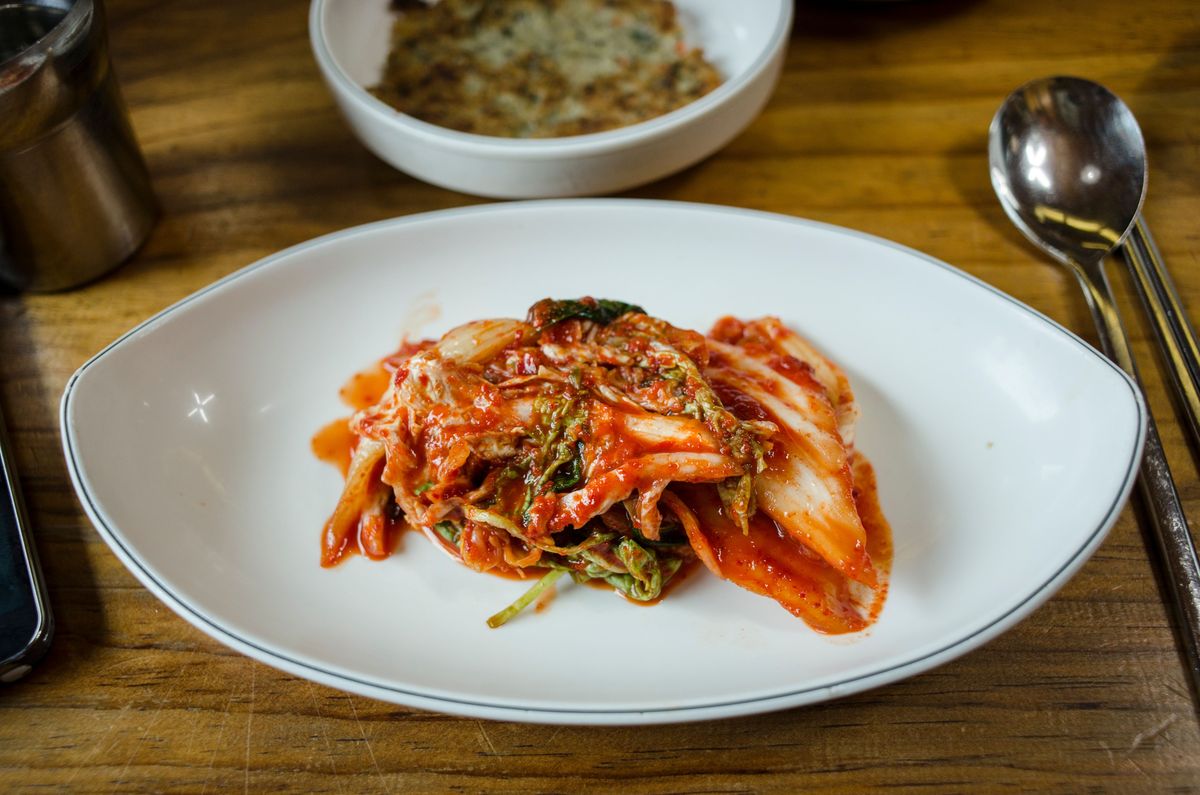
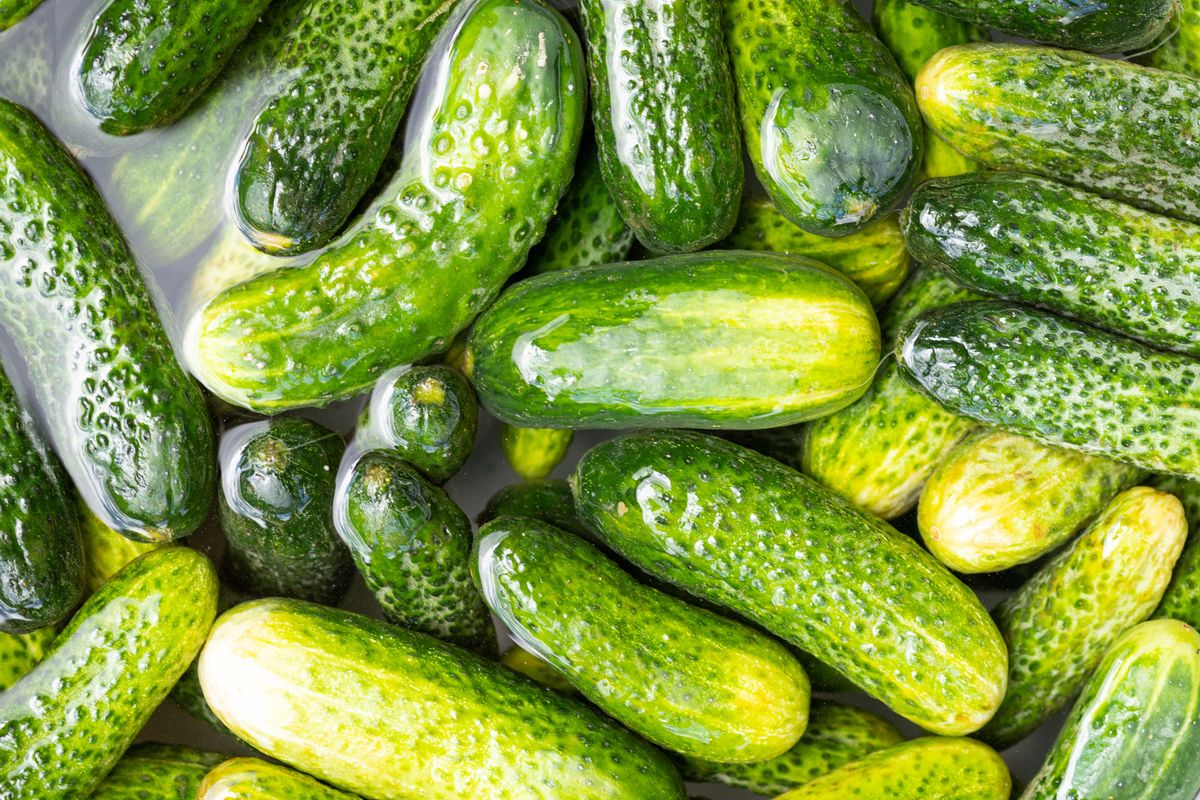
- Fermented foods. Yogurt, kefir, kimchi, and sauerkraut introduce live beneficial bacteria directly — the same category of food used in both probiotic studies above.
- Fiber-rich whole foods. Vegetables, legumes, whole grains, nuts, and seeds feed the bacteria you already have. A more diverse diet tends to produce a more diverse, resilient microbiome.
- Tryptophan-rich protein. Turkey, eggs, dairy, oats, and pumpkin seeds supply the amino acid your gut needs as raw material to manufacture serotonin in the first place.
- Polyphenol-rich plants. Berries, olive oil, and leafy greens contain plant compounds that beneficial gut bacteria feed on preferentially.
- Less ultra-processed food and alcohol. Both are linked to reduced microbiome diversity and higher gut inflammation — the exact pattern that disrupts the signals described above. If you want a deeper look at this, I wrote about what happened when I cut ultra-processed food for 30 days.
Harvard researchers note that calming chronic inflammation supports this whole system — not just through food, but through regular exercise, 7 to 8 hours of sleep, limiting alcohol, and active stress-reduction practices like deep breathing, meditation, or journaling. The gut-brain axis runs both directions, and a calmer nervous system is part of what keeps it healthy.
When to See a Doctor
This is evidence-informed wellness writing, not medical advice or treatment guidance. If you experience persistent digestive symptoms alongside anxiety, depression, or brain fog, mention both to your doctor together — the gut-brain connection means they may be more related than they first appear, and a qualified professional can properly evaluate what's going on.
Your gut isn’t just digesting your lunch. It's part of how you think.
You don’t need to overhaul everything tonight. Add one fermented food, one fiber-rich meal, and one calmer evening this week — and let the second brain in your stomach do the rest of the talking.
Support your gut-brain connection
When your diet needs a little help, clean, research-backed supplements can fill the gaps.
BioTRUST makes gut and nutrition supplements with no artificial fillers — the kind of quality that supports the habits you're already building. As an Amazon Associate / affiliate, I earn from qualifying purchases.
Shop Gut Support